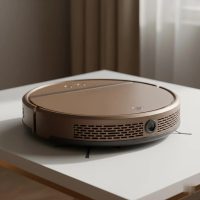
Imagine a world where your floors are consistently spotless, where pet hair vanishes as if by magic, and dust bunnies become a distant memory – all without you lifting a finger. This isn’t a futuristic fantasy; it’s the everyday reality offered by today’s top-rated robot vacuums. These intelligent cleaning companions have evolved far beyond simple floor sweepers, now integrating advanced technology to deliver a truly hands-free home cleaning experience. But with so many options crowding the market, how do you pick the perfect automated assistant for your sanctuary? Let’s dive into what makes a robot vacuum truly stand out and help you find the ideal model for your unique home and lifestyle.
How Do Robot Vacuums Actually Work Their Magic?
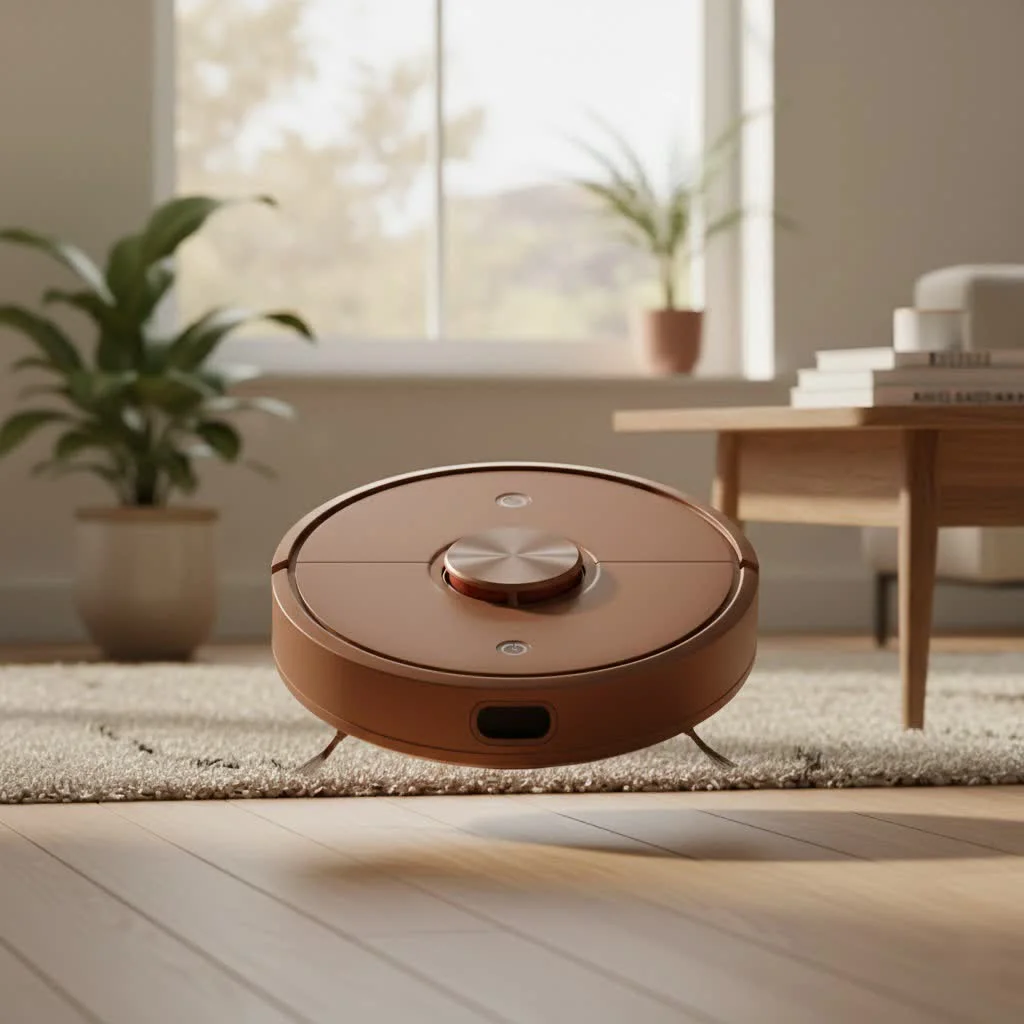
At their core, robot vacuums are sophisticated machines designed to autonomously navigate and clean your floors. The real “magic” lies in their intricate blend of hardware and software.
- Navigation & Mapping: Modern robot vacuums employ various technologies to understand your home’s layout. Many top models use LiDAR (Light Detection and Ranging) sensors to create precise, real-time maps of your rooms, ensuring systematic and efficient cleaning paths. Others use camera-based systems to build visual maps, while more basic models might rely on simple bump-and-go sensors. Advanced models, like some from Ecovacs, even utilize AIVI 3D and TrueMapping technologies, akin to those found in self-driving cars, for effective obstacle detection and precise mapping, even in low light.
- Sensors & Obstacle Avoidance: Beyond mapping, a fleet of sensors helps these robots avoid trouble. Cliff sensors prevent them from tumbling down stairs, while infrared and 3D sensors help them detect and navigate around furniture, walls, and even unexpected obstacles like pet toys or charging cables. This intelligent avoidance prevents your robot from getting stuck or causing damage.
- Cleaning Mechanisms: Once navigated, the actual cleaning happens through a combination of brushes and suction. Side brushes sweep debris from edges and corners into the main brush path. The main brushroll, often a combination of bristles and rubber fins, agitates dirt and lifts it into the vacuum’s powerful suction stream. Some newer designs feature tangle-free rubber brushrolls, which are particularly effective at preventing pet hair from wrapping around and hindering performance.
Key Features and What to Look for When Choosing Your Robot Vacuum
Selecting a top-rated robot vacuum isn’t just about raw power; it’s about finding a harmonious blend of features that cater to your specific needs. Here’s what you should consider:
What Suction Power Do I Really Need?
Suction power, measured in Pascals (Pa), is crucial for effective cleaning. While most robot vacuums offer between 2,500 to 6,000 Pa, premium models can boast an impressive 8,000 Pa, with some even reaching up to 20,000 Pa for tackling the most stubborn dirt. For homes with primarily hard floors and tiles, moderate suction is usually sufficient. However, if you have carpets or pets, higher suction power is essential to deep clean fibers and extract embedded dirt and pet hair effectively.
Beyond Vacuuming: The Rise of Hybrid Robot Vacuums
Many top-rated models today are 2-in-1 hybrid vacuum and mop combos, offering the convenience of both dry and wet cleaning in one device. These aren’t just an afterthought; advanced mopping features include:
- Electronic water flow control to adjust water usage based on floor type.
- Vibrating or pressurized mop pads that scrub floors more effectively than a simple wet cloth.
- Self-lifting mop pads that automatically retract when the robot detects carpet, preventing your rugs from getting wet.
- Spinning mop pads and hot water mop washing for a deeper clean and better hygiene.
The Convenience Factor: Self-Emptying and Self-Cleaning Stations
For a truly hands-off experience, self-emptying dustbins are a game-changer. These integrated docking stations automatically transfer collected debris from the robot’s small dustbin into a larger bag or canister in the base, often holding up to 60 days’ worth of dirt and pet hair, depending on usage. This drastically reduces how often you need to interact with accumulated dust and allergens. Beyond emptying, some advanced OMNI stations even wash and dry the mop pads, and some can even refill the robot’s water tank and clean the station’s washboard, making maintenance virtually effortless.
Smart Home Integration and App Control
Modern robot vacuums are smart devices, often controllable via intuitive smartphone apps. These apps allow you to:
- Schedule cleaning sessions to fit your routine.
- Create virtual walls and no-go zones to restrict access to certain areas.
- Monitor cleaning progress and view detailed maps of your home.
- Adjust suction power and cleaning modes.
- Many models also offer voice control via Amazon Alexa, Google Assistant, or even a built-in AI voice assistant like Ecovacs’ YIKO, allowing you to start cleaning with a simple command.
Battling Pet Hair: Specialized Features for Furry Friends
If you share your home with shedding companions, specific features can make all the difference:
- Tangle-Free Brushrolls: Look for rubber brushrolls or designs specifically engineered to resist hair tangles, ensuring consistent performance without constant intervention.
- High Suction Power: As mentioned, robust suction is key for lifting pet hair from both hard floors and carpets. The Ecovacs Deebot X8 Pro Omni, with its 18,000 Pa suction, is an example of a model excelling at pet hair removal.
- Advanced Obstacle Avoidance: Robots that can skillfully dodge pet toys, food bowls, and even “accidents” (like the iRobot Roomba j9+ with its POOP Guarantee) are invaluable for pet owners, preventing messes from being spread.
- HEPA Filters: Essential for allergy sufferers, these filters trap pet dander and other allergens, improving indoor air quality.
Other Important Considerations:
- Battery Life: For larger homes, a robot vacuum with a longer battery life (90+ minutes) and a “recharge and resume” function is crucial to ensure the entire space is cleaned without manual intervention.
- Noise Level: A quieter robot vacuum is a blessing, especially if you work from home, have young children, or prefer to run it overnight.
- Size and Height: A compact design is important for navigating tight spaces and cleaning under low-profile furniture.
- Shape: Round models are agile, while D-shaped or square models often excel at cleaning along walls and into corners.
The Benefits and Limitations of Embracing Robotic Cleaners
|
Our Picks for the Best Robot Vacuum in 2026
As an Amazon Associate I earn from qualifying purchases.
|
||
| Num | Product | Action |
|---|---|---|
| 1 | ILIFE V2 Robot Vacuum Cleaner, Tangle-Free Suction, 120 Mins Runtime, Slim, Self-Charging Robotic Vacuum Cleaner, Ideal for Pet Hair and Hard Floors |

|
| 2 | ILIFE A30 Pro Robot Vacuum and Mop, Self Emptying Station for 60 Days, 5000Pa Suction, LiDAR Navigation, No-Go Zones, 2.4G WiFi/App/Alexa/Remote Control, Roller Brush for Carpet, Hard Floors, 110V |
|
| 3 | roborock Q10 S5+ Robot Vacuum and Mop, 10,000Pa Suction, Upgraded from Q8 max+, 70 Days Self-Emptying, Obstacle Avoidance, Sonic Mopping, Dual Anti-Tangle Design, Auto Mop Lifting, Ideal for Pet Hair |
|
| 4 | Robot Vacuum and Mop Combo, 2 in 1 Mopping Robotic Vacuum Cleaner with Schedule, Wi-Fi/App/Remote, Strong Suction, Self-Charging, Slim, Ideal for Hard Floor, Pet Hair, Low-Pile Carpet |
|
| 5 | Robot Vacuum and Mop Combo, 11500Pa Suction, 3-in-1 Robotic Vacuum with Smart LiDAR Navigation, 70 Day Self-Emptying,160 Min Runtime,App/Alexa/Voice Control, Ideal for Pet Hair, Carpet & Hard Floor |
|
| 6 | ILIFE V5s Plus Robot Vacuum and Mop Combo with Wi-Fi/App/Alexa, Automatic Self-Charging Robotic Vacuum Cleaner, Slim and Quiet, Cleans Hard Floors Carpets and Pet Hair (V5s Pro Upgrade Version) |
|
| 7 | Robot Vacuum and Mop, 3-in-1 Robotic Vacuum Cleaner with 70-Day Self-Emptying Base, 360° LiDAR Navigation, Smart Mapping & Auto-Return, 6000Pa Strong Suction for Pet Hair, Carpets & Hard Floors |
|
| 8 | Bagotte Robot Vacuum and Mop, Robot Vacuum Self Emptying, 5000Pa Powerful Suction, 90-Day Hands-Free, Advanced Smart Mapping, LiDAR Navigation Robotic Vacuum for Pet Hair, Dust, Carpet, WiFi/App/Alexa |
|
| 9 | Tikom Robot Vacuum and Mop, 6000Pa Robotic Vacuum Cleaner with Self-Emptying Base, 90 Days Capacity, LiDAR Navigation, Home Mapping, Ideal for Pet Hair, Hard Floors, Carpet (L8000 Plus) |
|
| 10 | Tikom Robot Vacuum and Mop Combo, 5000Pa Robotic Vacuum Cleaner, 150 Min Max, App & Remote Control, Ideal for Hard Floor, Carpet, Pet Hair, Self-Charge(G8000 Max) |
|
Robot vacuums are undeniably convenient, freeing up your time and maintaining cleaner floors with minimal effort. They are particularly beneficial for routine maintenance, keeping dust, crumbs, and pet hair at bay between deeper cleans. Many users also report an indirect benefit: the presence of a robot vacuum encourages a tidier home environment, as clearing clutter makes way for its efficient operation.
However, it’s important to have realistic expectations. Robot vacuums are excellent for daily upkeep but typically lack the power for thick rugs or intensive deep cleaning, meaning they are best complemented by an occasional upright vacuum for those tasks. They also cannot climb stairs, so multi-story homes may require a dedicated unit per floor for a truly hands-free experience.
Keeping Your Robot Vacuum Running Smoothly: Maintenance Tips
To ensure your top-rated robot vacuum continues to perform at its peak, a little regular care goes a long way.
- Empty the Dustbin Regularly: Even with self-emptying models, a quick check of the internal bin after heavy cleaning sessions is a good habit.
- Clean or Replace Filters: HEPA filters, especially, need regular cleaning or replacement to maintain air quality and suction efficiency.
- Untangle Brushrolls: Pet hair and long human hair can wrap around brushrolls. Regularly remove and clean them to prevent performance issues.
- Wipe Sensors: Dust and debris can obstruct navigation sensors, leading to inefficient cleaning or getting stuck. A quick wipe keeps them clear.
- Maintain Mopping Pads: If your robot mops, wash the pads after each use to prevent odors and ensure effective cleaning. Self-washing stations greatly simplify this.
The Future of Robot Vacuum Technology
The evolution of robot vacuums shows no signs of slowing down. We’re already seeing advancements like:
- Enhanced AI and Machine Learning: Robots will continue to get smarter at recognizing and avoiding objects, adapting to changing home layouts, and even identifying different types of messes.
- More Advanced Mopping: Expect innovations like more powerful scrubbing, better stain removal, and potentially integration with smart water systems.
- Improved Battery Technology: Longer runtimes and faster charging will make them even more efficient for larger homes.
- Seamless Smart Home Integration: Deeper connectivity with other smart home devices could lead to more intelligent, synchronized cleaning routines.
As Dr. Eleanor Vance, a leading robotics and home automation specialist, puts it, “The most exciting aspect of robot vacuum innovation isn’t just about cleaning efficiency, but how seamlessly these devices integrate into our lives, making smart homes truly effortless and allowing us to reclaim valuable time.”
Conclusion
Investing in a top-rated robot vacuum is more than just buying a gadget; it’s adopting a lifestyle upgrade. By understanding the core technologies, evaluating key features like suction power, navigation, and self-maintenance capabilities, and considering your home’s specific needs—especially if you have pets or a mix of flooring—you can confidently select an automated cleaner that will transform your daily routine. These intelligent assistants are here to make your home cleaner and your life easier, leaving you free to focus on what truly matters. So, take the leap, explore the possibilities, and experience the unparalleled convenience of a consistently spotless home.
Smart home that does not lock you in
Free PDF — protocol compatibility matrix for 30 hubs and devices.