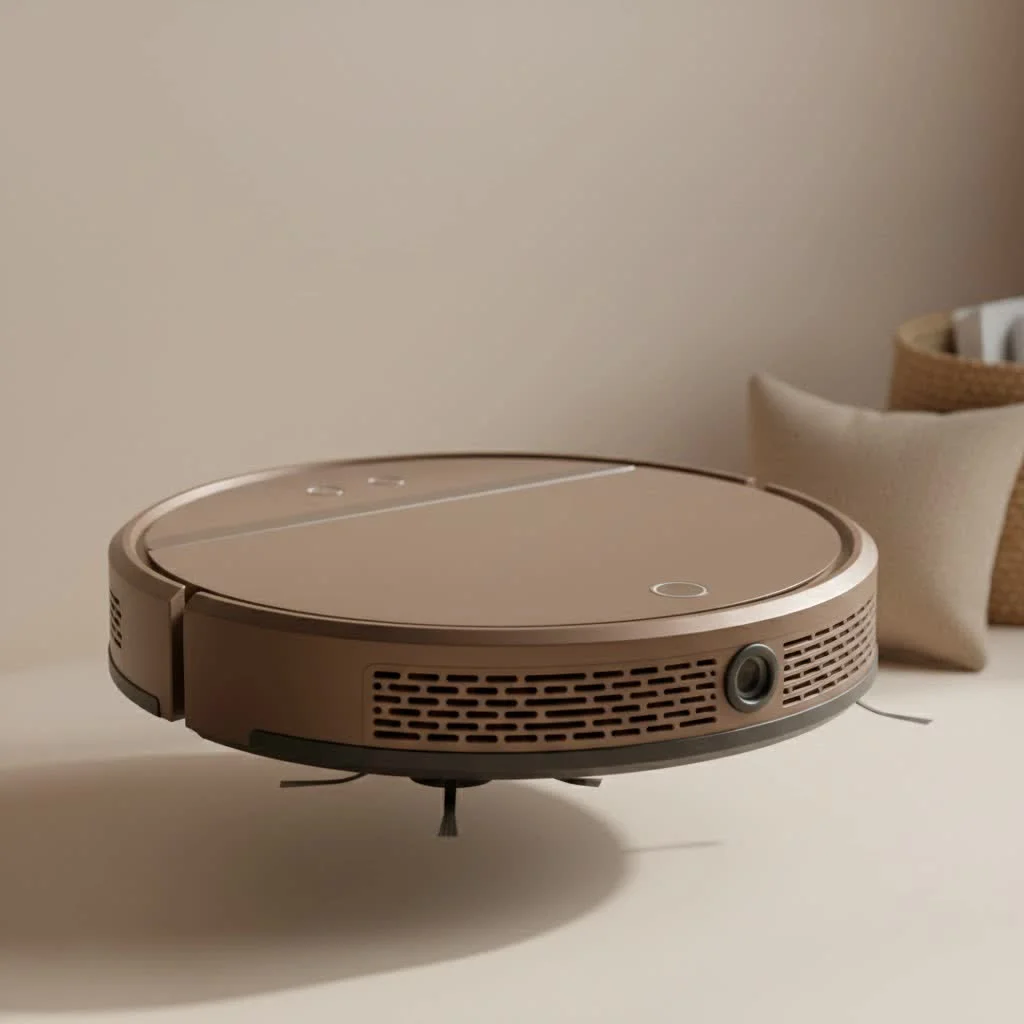
An automatic vacuum cleaner robot is an autonomous cleaning device that simplifies floor maintenance with minimal human intervention, using advanced sensors and AI to navigate and clean independently. These intelligent devices, first commercially available as the Electrolux Trilobite in 1996 and popularized by the iRobot Roomba in 2002, have become indispensable for busy homeowners, offering hands-free cleaning for daily dust and pet hair across various floor types.
What Exactly is an Automatic Vacuum Cleaner Robot?
At its core, an automatic vacuum cleaner robot is an autonomous cleaning device engineered to simplify floor maintenance with minimal human intervention. These often disk-shaped machines navigate your home using advanced sensors and sophisticated AI algorithms, performing vacuuming and sometimes mopping tasks independently. While the concept of a robotic cleaning device dates back to designs in the late 1950s, the first commercially available robotic vacuum cleaner, the Electrolux Trilobite, emerged in 1996, followed by the highly successful iRobot Roomba in 2002.
So, how does this magic happen? An automatic vacuum cleaner robot relies on a synergy of components. A powerful motor generates suction to lift dirt and debris, while a combination of side brushes sweeps particles from edges and corners into the robot’s path, where a main brush agitates and captures the grime. All collected debris is then stored in a dustbin. When the battery runs low, the robot intelligently returns to its docking station to recharge, often resuming cleaning exactly where it left off.
The Brains Behind the Clean: How Automatic Vacuum Cleaner Robots Navigate Your Home
The true genius of an automatic vacuum cleaner robot lies in its ability to “see” and “think.” It’s not just randomly bumping around; it’s systematically mapping and maneuvering your home.
Sensors and Mapping: Their Eyes and Mind
Modern automatic vacuum cleaner robots are equipped with an array of sensors that act as their eyes and mind, allowing them to perceive their environment.
- LiDAR (Light Detection and Ranging): Many high-end models use laser rangefinders to scan rooms, creating precise, detailed maps of your home’s layout. This technology is incredibly accurate, especially for larger spaces and complex floor plans.
- Vision Sensors (Cameras): Some robots utilize cameras to identify floor features and obstacles, often incorporating AI algorithms to recognize objects like furniture, pet waste, or electrical wires.
- Infrared and Cliff Sensors: These are crucial safety features. Infrared sensors help detect objects to avoid collisions, while cliff sensors located on the robot’s underside prevent it from falling down stairs or off ledges.
- Collision Sensors: Typically found on bumpers, these sensors help the robot adjust its direction instantly upon contact with walls or furniture, protecting both the robot and your belongings.
Smart Navigation and Cleaning Algorithms
|
Our Picks for the Best Robot Vacuum in 2026
As an Amazon Associate I earn from qualifying purchases.
|
||
| Num | Product | Action |
|---|---|---|
| 1 | Bagotte Robot Vacuum and Mop, Robot Vacuum Self Emptying, 5000Pa Powerful Suction, 90-Day Hands-Free, Advanced Smart Mapping, LiDAR Navigation Robotic Vacuum for Pet Hair, Dust, Carpet, WiFi/App/Alexa |

|
| 2 | Tikom Robot Vacuum and Mop, 6000Pa Robotic Vacuum Cleaner with Self-Emptying Base, 90 Days Capacity, LiDAR Navigation, Home Mapping, Ideal for Pet Hair, Hard Floors, Carpet (L8000 Plus) |
|
| 3 | ILIFE V2 Robot Vacuum Cleaner, Tangle-Free Suction, 120 Mins Runtime, Slim, Self-Charging Robotic Vacuum Cleaner, Ideal for Pet Hair and Hard Floors |
|
| 4 | Tikom Robot Vacuum and Mop Combo, 5000Pa Robotic Vacuum Cleaner, 150 Min Max, App & Remote Control, Ideal for Hard Floor, Carpet, Pet Hair, Self-Charge(G8000 Max) |
|
| 5 | Robot Vacuum and Mop Combo, 11500Pa Suction, 3-in-1 Robotic Vacuum with Smart LiDAR Navigation, 70 Day Self-Emptying,160 Min Runtime,App/Alexa/Voice Control, Ideal for Pet Hair, Carpet & Hard Floor |
|
| 6 | Robot Vacuum and Mop Combo, 2 in 1 Mopping Robotic Vacuum Cleaner with Schedule, Wi-Fi/App/Remote, Strong Suction, Self-Charging, Slim, Ideal for Hard Floor, Pet Hair, Low-Pile Carpet |
|
| 7 | ILIFE A30 Pro Robot Vacuum and Mop, Self Emptying Station for 60 Days, 5000Pa Suction, LiDAR Navigation, No-Go Zones, 2.4G WiFi/App/Alexa/Remote Control, Roller Brush for Carpet, Hard Floors, 110V |
|
| 8 | Robot Vacuum and Mop, 3-in-1 Robotic Vacuum Cleaner with 70-Day Self-Emptying Base, 360° LiDAR Navigation, Smart Mapping & Auto-Return, 6000Pa Strong Suction for Pet Hair, Carpets & Hard Floors |
|
| 9 | ILIFE V5s Plus Robot Vacuum and Mop Combo with Wi-Fi/App/Alexa, Automatic Self-Charging Robotic Vacuum Cleaner, Slim and Quiet, Cleans Hard Floors Carpets and Pet Hair (V5s Pro Upgrade Version) |
|
| 10 | roborock Q10 S5+ Robot Vacuum and Mop, 10,000Pa Suction, Upgraded from Q8 max+, 70 Days Self-Emptying, Obstacle Avoidance, Sonic Mopping, Dual Anti-Tangle Design, Auto Mop Lifting, Ideal for Pet Hair |
|
Once an automatic vacuum cleaner robot has built a map of your home, it uses advanced algorithms to plan the most efficient cleaning routes. This systematic approach ensures comprehensive coverage, minimizing missed spots and reducing redundant cleaning. Many models allow you to set virtual boundaries or “no-go zones” via a smartphone app, ensuring the robot avoids specific areas like pet bowls or delicate rugs. This level of control means your robot cleans exactly where and when you want it to, adapting to your lifestyle.
Unpacking the Perks: Benefits of Owning an Automatic Vacuum Cleaner Robot
Why are so many households embracing the automatic vacuum cleaner robot? The advantages are compelling and significantly enhance daily life.
Hands-Free Convenience and Time-Saving
The primary appeal is undoubtedly the automation. An automatic vacuum cleaner robot can independently complete cleaning tasks without manual operation, freeing up your time and effort. You can schedule cleanings daily or weekly, initiate a cleaning session remotely via a mobile app, or even use voice commands through smart home assistants like Alexa or Google Assistant. Imagine returning to a freshly vacuumed home after a long day at work, all without lifting a finger!
Superior Cleaning Performance
These robots are designed for thoroughness. They can easily maneuver under low-profile furniture like sofas and beds, reaching dust bunnies that traditional vacuums often miss. Many models boast powerful suction to tackle dirt, dust, and pet hair on various surfaces, from hardwood and tile to carpets and rugs, automatically adjusting their power as needed. Numerous automatic vacuum cleaner robots offer wet mopping capabilities, allowing them to vacuum and mop in a single pass, providing a deeper clean.
Enhanced Home Hygiene
For allergy sufferers, an automatic vacuum cleaner robot can be a major upgrade. Equipped with high-efficiency particulate air (HEPA) filters, these devices effectively capture fine dust, pollen, and allergens, helping to maintain healthier indoor air quality. Regular, automated cleaning prevents the buildup of these irritants, contributing to a fresher, more hygienic environment.
Smart Choices: Key Features to Look for in Your Next Automatic Vacuum Cleaner Robot
Choosing the right automatic vacuum cleaner robot can feel overwhelming with the many options available. Here are some key features to consider:
Suction Power and Cleaning Modes
Look for models with robust suction power, often measured in Pascals (Pa), especially if you have carpets or pets. Many robots offer multiple cleaning modes, such as a quiet mode for daily upkeep, a max or turbo mode for deeper cleans, and spot cleaning for localized messes. This versatility allows you to tailor the cleaning to your specific needs.
Battery Life and Auto-Charging Capabilities
A longer battery life means the robot can cover more ground on a single charge. Most modern automatic vacuum cleaner robots automatically return to their docking station to recharge when power is low, ensuring they’re always ready for their next task.
Advanced Mopping Functions
If you have hard floors, a 2-in-1 automatic vacuum cleaner robot with mopping functionality can be incredibly efficient. Some advanced models feature electronic water flow control, vibrating or pressurized mop pads for better scrubbing, and even automatic mop-lifting mechanisms to avoid wetting carpets.
Self-Emptying and Self-Cleaning Docks
For ultimate convenience, consider an automatic vacuum cleaner robot with a self-emptying dustbin. These docks automatically transfer collected debris from the robot’s small dustbin into a larger bag or container, meaning you only need to empty it every few weeks or even months. Some modern docks also wash and dry mop pads, refill water tanks, and even clean the robot’s brushes, minimizing your interaction.
Smart Home Integration and Voice Control
Seamless integration with your smart home ecosystem allows for easy control via smartphone apps or voice commands. Features like virtual walls, zone cleaning, and scheduling offer personalized control, ensuring the automatic vacuum cleaner robot cleans exactly where and when you want it to.
Keeping Your Robot in Top Shape: Essential Maintenance Tips
Even the most autonomous devices need a little TLC. Regular maintenance ensures your automatic vacuum cleaner robot continues to perform at its peak and extends its lifespan.
- Empty the Dustbin Regularly: If your robot doesn’t have a self-emptying dock, make it a habit to empty the onboard dustbin after every few cleaning cycles to prevent clogs and maintain suction power.
- Clean Brushes and Filters: Hair and debris can easily get tangled in roller brushes, reducing efficiency. Periodically remove and clean the main and side brushes, using scissors if necessary, and wash them if they’re rubber. Filters, especially HEPA filters, should be cleaned weekly (by tapping or brushing off dust) and replaced every few months to maintain air quality and suction.
- Wipe Sensors and Check Wheels: The robot’s navigation relies on clean sensors. Regularly wipe down all sensors (cliff, collision, infrared) with a soft cloth to ensure accurate navigation and obstacle detection. Also, check the wheels and wheel wells for any tangled hair or debris that could impede movement.
- Maintain Charging Contacts: Ensure the charging contacts on both the robot and its dock are clean to guarantee reliable charging.
“Regular maintenance is truly the secret sauce to a long-lasting and efficient automatic vacuum cleaner robot,” notes Clara Schmidt, a home appliance expert. “Just a few minutes each week can make a huge difference in performance.”
The Horizon of Home Cleaning: The Future of Automatic Vacuum Cleaner Robots
The journey of the automatic vacuum cleaner robot is far from over. The future promises even more intelligence, integration, and autonomy.
AI and Machine Learning Innovations
Expect to see deeper integration of AI and machine learning, allowing robots to understand home environments with unprecedented accuracy. Future models will optimize cleaning strategies by identifying different floor types, furniture layouts, and even specific types of dirt or stains, adjusting cleaning modes automatically. Predictive maintenance will become standard, with robots alerting you before components wear out, maximizing uptime and efficiency.
Beyond Cleaning: Multifunctional Home Assistants
The automatic vacuum cleaner robot is evolving beyond mere cleaning. We anticipate future models integrating more functions, such as sterilization, air purification, and even home monitoring capabilities. Imagine a robot that not only vacuums and mops but also releases air fresheners or uses UV light to sanitize floors, becoming a truly all-in-one home assistant.
Multi-Level Cleaning and Full Autonomy
One of the biggest frontiers is multi-level cleaning. While most robots are currently limited to a single floor, advancements in sensors and AI suggest that future automatic vacuum cleaner robots will be able to climb stairs and seamlessly transition between different levels of your home. The dream of a fully autonomous cleaner, one that cleans itself, empties its dustbin, washes and dries its mop pads, and manages its own debris for weeks or even months, is quickly becoming a reality.
FAQs About Automatic Vacuum Cleaner Robots
Q1: Are automatic vacuum cleaner robots suitable for homes with pets?
Yes, many automatic vacuum cleaner robots are specifically designed with pet owners in mind, featuring enhanced suction power, tangle-free brushes, and advanced filtration systems (like HEPA filters) to effectively capture pet hair and dander, improving air quality.
Q2: Can an automatic vacuum cleaner robot clean different floor types?
Absolutely. Most modern automatic vacuum cleaner robots are versatile and can handle a variety of floor types, including hardwood, tile, laminate, and various carpet thicknesses. Many can even automatically detect different surfaces and adjust their suction power or cleaning mode accordingly.
Q3: How often do I need to empty the dustbin?
If your automatic vacuum cleaner robot doesn’t have a self-emptying dock, it’s generally recommended to empty the dustbin after every cleaning cycle, especially if you have pets or a large home. For models with self-emptying docks, you might only need to empty a larger bin every 30 to 60 days.
Q4: Do robot vacuums really save time?
Definitely! The primary benefit of an automatic vacuum cleaner robot is the significant time and effort it saves. By automating a routine chore, these devices free you up to focus on other activities, transforming tedious cleaning tasks into effortless background operations.
Q5: What’s the average lifespan of an automatic vacuum cleaner robot?
The lifespan of an automatic vacuum cleaner robot can vary depending on the brand, model, usage, and maintenance. With proper care and regular maintenance, many high-quality robots can last between 3 to 5 years, with some lasting even longer.
Embrace the Future of Clean
The automatic vacuum cleaner robot has evolved from a niche gadget to an intelligent, indispensable household companion. With their ability to meticulously clean, navigate complex spaces, and even perform self-maintenance, these devices offer unparalleled convenience and contribute to a healthier home environment. As technology continues to advance, your automatic vacuum cleaner robot will only become smarter, more efficient, and an even more integral part of your effortlessly clean home. Why not let a robot take care of the heavy lifting, allowing you to reclaim your time and enjoy the simple pleasure of consistently clean floors?
Frequently Asked Questions
Are automatic vacuum cleaner robots suitable for homes with pets?
Yes, many automatic vacuum cleaner robots are specifically designed for pet owners. They often feature enhanced suction power, tangle-free brushes, and HEPA filters to effectively capture pet hair and dander, significantly improving indoor air quality.
Can an automatic vacuum cleaner robot clean different floor types?
Absolutely. Most modern automatic vacuum cleaner robots are versatile, capable of cleaning various floor types including hardwood, tile, laminate, and different carpet thicknesses. Many models can automatically detect surface changes and adjust their suction power or cleaning mode accordingly for optimal results.
How often should I empty the dustbin of my robot vacuum?
If your automatic vacuum cleaner robot lacks a self-emptying dock, it's recommended to empty the dustbin after every cleaning cycle, especially in homes with pets or large areas. For models with self-emptying docks, the larger bin typically needs emptying only every 30 to 60 days.
Do robot vacuums genuinely save time for homeowners?
Definitely! The primary advantage of an automatic vacuum cleaner robot is the substantial time and effort it saves. By automating a routine chore, these devices free up homeowners to focus on other activities, transforming tedious cleaning tasks into effortless background operations.
What is the typical lifespan of an automatic vacuum cleaner robot?
The lifespan of an automatic vacuum cleaner robot varies by brand, model, usage, and maintenance. With proper care and regular maintenance, many high-quality robots can last between 3 to 5 years, with some models exceeding this range.
Smart home that does not lock you in
Free PDF — protocol compatibility matrix for 30 hubs and devices.
I was a bit skeptical at first, but after seeing how well my friend’s iRobot Roomba worked, I decided to get one. It’s great for daily maintenance and keeps the floors looking tidy. My only minor complaint is that it sometimes gets stuck on a particular chair leg, but it usually finds its way out eventually. Overall, I’m happy with the hands-free cleaning.
I bought an automatic vacuum cleaner robot hoping it would completely take over my vacuuming duties. While it does a decent job on open areas, it struggles a bit with corners and tight spots, so I still have to do a quick pass with a regular vacuum once a week. It’s good for daily dust, but don’t expect it to replace all your cleaning efforts, especially if you have a lot of furniture.
This device has seriously simplified my life. I remember reading about the Electrolux Trilobite years ago and thinking how futuristic it was, and now I have one! The advanced sensors are impressive; it navigates around obstacles without bumping into everything. My floors have never been consistently cleaner, and I barely lift a finger.
I’ve had my automatic vacuum cleaner robot for about six months now, and it’s been a game-changer. With two shedding dogs, daily vacuuming was a chore, but now I just let the robot handle it. It really does a fantastic job picking up all the pet hair, even on our low-pile rugs. Definitely worth the investment for busy homeowners.