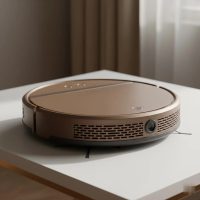
Imagine a world where your floors sparkle without you lifting a finger. That’s the promise of the Roomba robot vacuum, an ingenious device that has transformed home cleaning for millions. From its humble beginnings to today’s sophisticated models, the iRobot Roomba has consistently led the charge in autonomous cleaning, offering convenience and efficiency that can genuinely change your daily routine. If you’re pondering whether a smart vacuum is right for your home, or simply want to understand the magic behind these disc-shaped marvels, you’ve come to the right place. Let’s dive deep into the world of the Roomba robot vacuum and uncover everything you need to know.
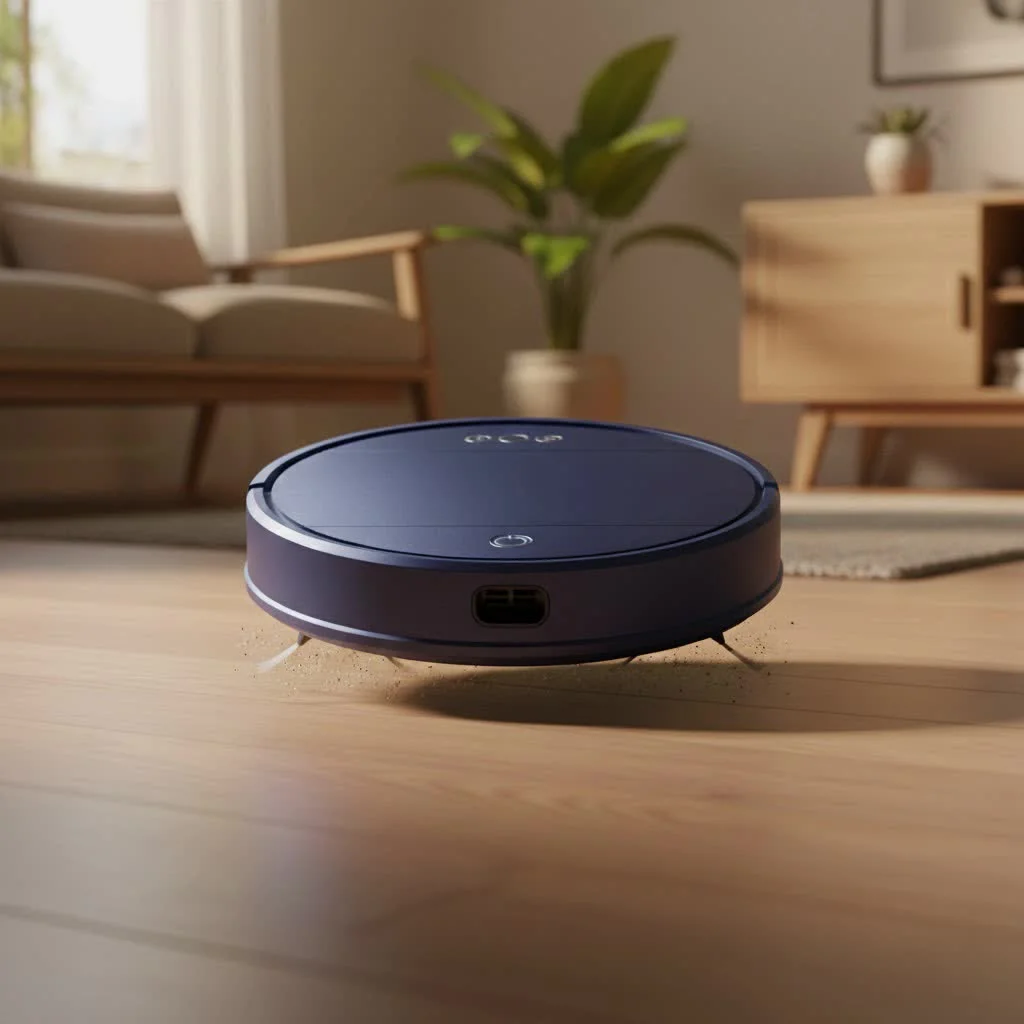
How Roomba Robot Vacuums Work Their Magic
At its core, a Roomba robot vacuum is a master of navigation and debris collection, powered by a blend of intelligent sensors and robust cleaning mechanisms. It’s not just randomly bumping around; there’s a sophisticated brain at work.
Sensors and Navigation
Modern Roomba robot vacuums use a complex array of sensors to navigate your home effectively. Cliff sensors prevent them from tumbling down stairs, while dirt detect technology helps them identify high-traffic, dirtier areas, prompting them to spend more time there for a thorough clean. Advanced models often incorporate Visual Simultaneous Localization and Mapping (VSLAM) or cutting-edge LiDAR (Light Detection and Ranging) technology. These systems allow the smart vacuum to create a detailed map of your home, remember furniture layouts, and clean in neat, organized rows rather than haphazard patterns. Older or more budget-friendly Roomba robot vacuum models might rely on a more reactive, bump-and-go navigation, but even these are remarkably efficient at covering entire rooms over multiple passes. Infrared (IR) sensors also play a crucial role, helping the robot detect obstacles and find its way back to its charging station.
The Core Cleaning System
The heart of any Roomba robot vacuum is its cleaning system, typically a multi-stage process designed to tackle various types of debris on different floor surfaces. Most iRobot Roomba models feature dual multi-surface rubber brushes that work in tandem to lift dirt, dust, and pet hair from carpets and hard floors. A spinning side brush reaches along wall edges and into corners, sweeping debris into the robot’s path. Finally, powerful suction draws everything into the dustbin. Newer Roomba robot vacuum models, like those featuring AeroForce Performance Cleaning or advanced PowerSpin Mop pads, have significantly increased suction power and refined brush designs, making them incredibly effective even against embedded dirt and stubborn stains. This intelligent adaptation ensures a consistently impressive clean, regardless of your home’s unique challenges.
Key Features: What Makes a Roomba Stand Out?
The evolution of the Roomba robot vacuum has brought a wealth of features designed to make home cleaning more effortless and efficient. These aren’t just gadgets; they’re genuinely transformative functionalities.
Smart Mapping and Obstacle Avoidance
|
Our Picks for the Best Robot Vacuum in 2026
As an Amazon Associate I earn from qualifying purchases.
|
||
| Num | Product | Action |
|---|---|---|
| 1 | ILIFE A30 Pro Robot Vacuum and Mop, Self Emptying Station for 60 Days, 5000Pa Suction, LiDAR Navigation, No-Go Zones, 2.4G WiFi/App/Alexa/Remote Control, Roller Brush for Carpet, Hard Floors, 110V |

|
| 2 | Robot Vacuum and Mop Combo, 11500Pa Suction, 3-in-1 Robotic Vacuum with Smart LiDAR Navigation, 70 Day Self-Emptying,160 Min Runtime,App/Alexa/Voice Control, Ideal for Pet Hair, Carpet & Hard Floor |
|
| 3 | Robot Vacuum and Mop Combo, 2 in 1 Mopping Robotic Vacuum Cleaner with Schedule, Wi-Fi/App/Remote, Strong Suction, Self-Charging, Slim, Ideal for Hard Floor, Pet Hair, Low-Pile Carpet |
|
| 4 | Tikom Robot Vacuum and Mop Combo, 5000Pa Robotic Vacuum Cleaner, 150 Min Max, App & Remote Control, Ideal for Hard Floor, Carpet, Pet Hair, Self-Charge(G8000 Max) |
|
| 5 | ILIFE V5s Plus Robot Vacuum and Mop Combo with Wi-Fi/App/Alexa, Automatic Self-Charging Robotic Vacuum Cleaner, Slim and Quiet, Cleans Hard Floors Carpets and Pet Hair (V5s Pro Upgrade Version) |
|
| 6 | Bagotte Robot Vacuum and Mop, Robot Vacuum Self Emptying, 5000Pa Powerful Suction, 90-Day Hands-Free, Advanced Smart Mapping, LiDAR Navigation Robotic Vacuum for Pet Hair, Dust, Carpet, WiFi/App/Alexa |
|
| 7 | roborock Q10 S5+ Robot Vacuum and Mop, 10,000Pa Suction, Upgraded from Q8 max+, 70 Days Self-Emptying, Obstacle Avoidance, Sonic Mopping, Dual Anti-Tangle Design, Auto Mop Lifting, Ideal for Pet Hair |
|
| 8 | Robot Vacuum and Mop, 3-in-1 Robotic Vacuum Cleaner with 70-Day Self-Emptying Base, 360° LiDAR Navigation, Smart Mapping & Auto-Return, 6000Pa Strong Suction for Pet Hair, Carpets & Hard Floors |
|
| 9 | Tikom Robot Vacuum and Mop, 6000Pa Robotic Vacuum Cleaner with Self-Emptying Base, 90 Days Capacity, LiDAR Navigation, Home Mapping, Ideal for Pet Hair, Hard Floors, Carpet (L8000 Plus) |
|
| 10 | ILIFE V2 Robot Vacuum Cleaner, Tangle-Free Suction, 120 Mins Runtime, Slim, Self-Charging Robotic Vacuum Cleaner, Ideal for Pet Hair and Hard Floors |
|
One of the most impressive advancements in the Roomba robot vacuum lineup is smart mapping. This allows your robot to learn your home’s layout, letting you define specific cleaning zones, “keep out” areas, or even send it to clean a particular room with a simple voice command or tap on your smartphone app. Paired with sophisticated obstacle avoidance technology, modern iRobot Roomba models can cleverly navigate around everyday clutter like charging cables, shoes, and even pet waste, preventing frustrating jams and ensuring an uninterrupted clean. This level of autonomy means less pre-cleaning for you and a more reliable performance from your automatic vacuum.
Vacuuming and Mopping Capabilities
Many contemporary Roomba robot vacuum models are now true two-in-one machines, offering both vacuuming and mopping functions. The convenience of having a single device that can vacuum your carpets and then seamlessly transition to mop your hard floors is a game-changer. Models like the Roomba Combo series feature retractable mop pads that lift when the robot detects carpet, preventing your rugs from getting wet. Others utilize advanced spinning mop pads and a “SmartScrub” feature that mimics human scrubbing motions for a deeper clean on hard surfaces. This multifunctionality makes the Roomba robot vacuum an all-encompassing floor cleaning solution.
Self-Emptying and Auto-Wash Docks
The promise of hands-free cleaning is fully realized with self-emptying docks, often called Clean Bases. After each cleaning cycle, your Roomba robot vacuum automatically returns to its dock and empties its dustbin into an enclosed bag, which can hold weeks, sometimes even months, of debris. This dramatically reduces how often you need to interact with the robot. For combo models, auto-wash docks take it a step further, not only emptying the vacuumed dirt but also washing and drying the mop pads. Some innovative Roomba robot vacuum designs even include dust-compacting bins, extending the time between manual bin empties without needing a large external dock.
Choosing Your Perfect Roomba: Factors to Consider
Selecting the right Roomba robot vacuum can feel like a big decision, given the variety of models and features available. But by considering a few key aspects, you can find the perfect match for your home and lifestyle.
Understanding Different Models and Your Needs
iRobot offers a range of Roomba robot vacuum models, from entry-level options like the 600 series to high-end j-series and s-series. Each series offers a different suite of features. For instance, if you have a multi-level home, models with smart mapping and “recharge and resume” capabilities are invaluable, as they can remember multiple floor plans and continue cleaning after recharging. Pet owners often benefit from models with dual rubber brushes that are less prone to tangling with pet hair, and advanced obstacle avoidance to steer clear of pet accidents. Consider the size of your home, the types of floors you have (carpets, hard floors, or a mix), and the prevalence of pet hair or high-traffic areas. This evaluation will help you narrow down your choices for the ideal automatic vacuum.
Budget vs. Advanced Features
While the latest Roomba robot vacuum models come with impressive bells and whistles, they also come with a higher price tag. Budget-friendly options, such as the Roomba 694, still provide reliable daily cleaning, though they might lack advanced navigation or smart mapping features. Mid-range models offer a good balance, often including smart mapping and improved suction without the premium cost of self-emptying docks. Determine which features are “must-haves” for you. Do you need a robot vacuum that can also mop? Is self-emptying a non-negotiable convenience? Or are you happy with a straightforward robotic vacuum that simply keeps your floors tidy? Understanding your budget and prioritizing features will guide you to a Roomba robot vacuum that delivers the best value for your specific needs.
Keeping Your Roomba Rolling: Essential Maintenance Tips
Just like any helpful appliance, your Roomba robot vacuum performs best with a little tender loving care. Regular maintenance ensures it continues to clean efficiently and avoids common issues.
Routine Cleaning for Optimal Performance
To keep your Roomba robot vacuum in top shape, consistent cleaning of its key components is crucial. You should empty the dustbin every two to three cleaning cycles, or more often if you have pets. The filters should be cleaned weekly and replaced every few months to maintain strong suction and air quality. The multi-surface brushes and side brush are prone to collecting hair and debris, so give them a thorough cleaning once a week – twice weekly in pet-heavy homes. Don’t forget the charging contacts, cliff sensors, and the front caster wheel; wiping these down monthly prevents charging issues and navigation problems. A clean Roomba robot vacuum is a happy, efficient Roomba robot vacuum!
Troubleshooting Common Hiccups
Even the most advanced Roomba robot vacuum can sometimes encounter a snag. If your robot is leaving dirt behind or making unusual noises, it’s often a sign that brushes are clogged or the dustbin is full. Error messages can usually be resolved by consulting the iRobot HOME app or the user manual for specific guidance. For instance, a “brush error” typically means the brushes need to be cleaned, while docking issues could point to dirty charging contacts. Most minor problems are easily fixable with a quick clean or part replacement. As robotics expert Dr. Evelyn Reed often says, “Robot vacuums are incredibly resilient, but like any finely tuned machine, they thrive on routine care. A few minutes of maintenance can save you hours of troubleshooting and extend your robot’s lifespan significantly.”
The Future is Now: What’s Next for Robot Vacuums?
The Roomba robot vacuum has already come so far, but the horizon for this technology is even more exciting, promising increasingly intelligent and autonomous home cleaning solutions.
AI, Advanced Sensors, and Smart Home Integration
The future of the Roomba robot vacuum is deeply intertwined with advancements in Artificial Intelligence (AI) and machine learning. We’re already seeing robots that identify different floor types and adjust cleaning power automatically. Soon, expect even smarter cleaning path planning, adapting to highly complex environments with unparalleled precision. Enhanced sensors like 3D vision and Time-of-Flight (ToF) sensors will allow for even more accurate obstacle recognition, letting the robot deftly avoid tiny objects like wires or socks. Furthermore, Roomba robot vacuums will become seamless parts of a larger smart home ecosystem, communicating with other devices like thermostats and air purifiers to optimize your living environment automatically. Imagine your smart vacuum starting a clean when you leave the house and syncing with your air purifier to tackle dust.
Beyond Vacuuming: The Evolution of Autonomous Cleaning
The trajectory for the Roomba robot vacuum extends far beyond simple floor cleaning. Multifunctionality will continue to grow, with sophisticated vacuum-and-mop combos becoming the standard. The dream of fully autonomous home cleaning will see robots taking care of their own maintenance—self-cleaning brushes, self-emptying dustbins, and even self-washing and drying mop pads will become more common. Innovations like advanced stair-climbing capabilities and more compact designs are also on the horizon, making these robots suitable for an even wider range of homes. We may even see “Plumbots”—robot vacuums integrated directly into home plumbing systems for automatic water refills and waste disposal, though this will require thoughtful design to overcome current logistical challenges. The continuous innovation in the Roomba robot vacuum space points to a future where floor care truly becomes an afterthought.
Your Smarter, Cleaner Home Awaits
The Roomba robot vacuum has evolved from a futuristic gadget into an indispensable household ally, saving countless hours and keeping homes cleaner than ever. With its sophisticated navigation, powerful cleaning systems, and an array of smart features, the iRobot Roomba stands as a testament to how technology can genuinely improve daily life. Whether you’re considering your first automatic vacuum or looking to upgrade to a model with advanced mopping and self-emptying capabilities, there’s a Roomba robot vacuum perfectly suited to your needs. Embrace the future of home cleaning and experience the unparalleled convenience and efficiency that these remarkable machines bring. Your floors will thank you, and you’ll wonder how you ever lived without one!
Smart home that does not lock you in
Free PDF — protocol compatibility matrix for 30 hubs and devices.