The Ultimate Guide to the Robot Vacuum and Mop: Reclaiming Your Time and Your Floors
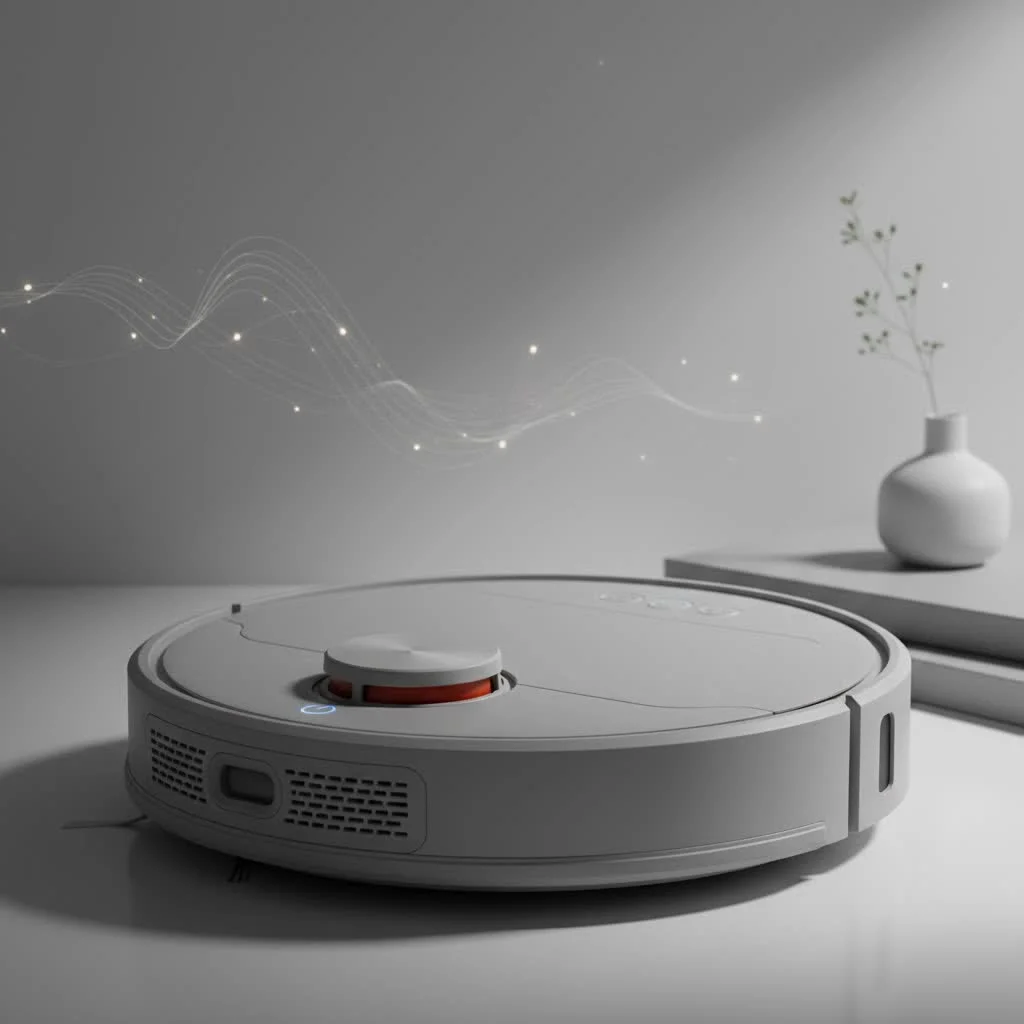
Robot vacuum and mop combinations offer a significant advantage by automating two essential cleaning tasks, saving users considerable time and effort. These devices typically integrate advanced navigation, powerful suction, and effective mopping systems to deliver comprehensive floor care, making them a worthwhile investment for maintaining a consistently clean home with minimal human intervention.
The Ingenious Mechanics Behind Your Robot Vacuum and Mop
How They Work Their Magic
Robot vacuum and mops operate through a sophisticated interplay of vacuuming, mopping, and navigation technologies. For navigation, many models utilize advanced laser distance sensors (LDS) or direct time-of-flight (dToF) sensors to create precise maps of your home, allowing them to clean systematically and efficiently without repeatedly bumping into obstacles.
Smart Sensing: More Than Just Bumping Around
Beyond basic navigation, these devices incorporate smart sensing capabilities for enhanced cleaning. Obstacle avoidance sensors prevent collisions with furniture and delicate items, while dirt detection sensors identify high-traffic areas requiring more intensive cleaning. Carpet recognition technology is crucial, enabling the robot to automatically boost suction on carpets for deeper cleaning and often lift its mop pads to avoid wetting the carpet.
Essential Features to Consider in Your Robot Vacuum and Mop
Suction Power and Mopping Systems: A Dynamic Duo
The effectiveness of a robot vacuum and mop largely depends on its suction power and mopping system. Suction power, measured in Pascals (Pa), should be at least 2500 Pa for effective debris pickup. Mopping systems vary, including flat pads for basic wiping, spinning pads for more aggressive scrubbing, and roller mops that continuously clean themselves, offering different levels of stain removal and floor care.
Self-Cleaning and Self-Emptying Docks: The Hands-Free Revolution
For ultimate convenience, consider models with self-cleaning and self-emptying docks. Self-emptying docks automatically transfer collected dust and debris from the robot’s dustbin into a larger bag in the dock, reducing the frequency of manual emptying to once every 30-60 days. Self-cleaning docks can wash and dry the mop pads, ensuring they are ready for the next cleaning cycle and preventing mildew.
Mapping, App Control, and Voice Integration: Your Smart Home’s New Best Friend
|
Our Picks for the Best Robot Vacuum in 2026
As an Amazon Associate I earn from qualifying purchases.
|
||
| Num | Product | Action |
|---|---|---|
| 1 | Tikom Robot Vacuum and Mop Combo, 5000Pa Robotic Vacuum Cleaner, 150 Min Max, App & Remote Control, Ideal for Hard Floor, Carpet, Pet Hair, Self-Charge(G8000 Max) |

|
| 2 | ILIFE V5s Plus Robot Vacuum and Mop Combo with Wi-Fi/App/Alexa, Automatic Self-Charging Robotic Vacuum Cleaner, Slim and Quiet, Cleans Hard Floors Carpets and Pet Hair (V5s Pro Upgrade Version) |
|
| 3 | ILIFE A30 Pro Robot Vacuum and Mop, Self Emptying Station for 60 Days, 5000Pa Suction, LiDAR Navigation, No-Go Zones, 2.4G WiFi/App/Alexa/Remote Control, Roller Brush for Carpet, Hard Floors, 110V |
|
| 4 | Tikom Robot Vacuum and Mop, 6000Pa Robotic Vacuum Cleaner with Self-Emptying Base, 90 Days Capacity, LiDAR Navigation, Home Mapping, Ideal for Pet Hair, Hard Floors, Carpet (L8000 Plus) |
|
| 5 | ILIFE V2 Robot Vacuum Cleaner, Tangle-Free Suction, 120 Mins Runtime, Slim, Self-Charging Robotic Vacuum Cleaner, Ideal for Pet Hair and Hard Floors |
|
| 6 | Robot Vacuum and Mop, 3-in-1 Robotic Vacuum Cleaner with 70-Day Self-Emptying Base, 360° LiDAR Navigation, Smart Mapping & Auto-Return, 6000Pa Strong Suction for Pet Hair, Carpets & Hard Floors |
|
| 7 | Robot Vacuum and Mop Combo, 2 in 1 Mopping Robotic Vacuum Cleaner with Schedule, Wi-Fi/App/Remote, Strong Suction, Self-Charging, Slim, Ideal for Hard Floor, Pet Hair, Low-Pile Carpet |
|
| 8 | Robot Vacuum and Mop Combo, 11500Pa Suction, 3-in-1 Robotic Vacuum with Smart LiDAR Navigation, 70 Day Self-Emptying,160 Min Runtime,App/Alexa/Voice Control, Ideal for Pet Hair, Carpet & Hard Floor |
|
| 9 | roborock Q10 S5+ Robot Vacuum and Mop, 10,000Pa Suction, Upgraded from Q8 max+, 70 Days Self-Emptying, Obstacle Avoidance, Sonic Mopping, Dual Anti-Tangle Design, Auto Mop Lifting, Ideal for Pet Hair |
|
| 10 | Bagotte Robot Vacuum and Mop, Robot Vacuum Self Emptying, 5000Pa Powerful Suction, 90-Day Hands-Free, Advanced Smart Mapping, LiDAR Navigation Robotic Vacuum for Pet Hair, Dust, Carpet, WiFi/App/Alexa |
|
Modern robot vacuum and mops offer advanced mapping features, allowing you to define no-go zones, virtual walls, and specific cleaning areas via a smartphone app. App control provides remote operation and scheduling, while voice integration with smart home assistants like Amazon Alexa or Google Assistant enables hands-free commands, seamlessly integrating the device into your smart home ecosystem.
The Bright Side and the Realities: Pros and Cons of a Robot Vacuum and Mop
Benefits: Why You’ll Love Having One
The primary benefit of a robot vacuum and mop is significant time savings, as it automates daily floor cleaning. These devices maintain consistent cleanliness, reduce allergens, and offer convenience through scheduled cleaning and remote control. They are particularly beneficial for pet owners and individuals with busy lifestyles.
Limitations: Setting Realistic Expectations
Despite their advantages, robot vacuum and mops have limitations. They may struggle with deeply embedded dirt or dried-on stains, and their small dustbins require more frequent emptying than traditional vacuums (though self-emptying docks mitigate this). They also require some pre-cleaning to remove small obstacles and cords, and initial setup can take 15-30 minutes.
Keeping Your Robot Vacuum and Mop in Top Shape
Routine Care for Peak Performance
To ensure peak performance, routine maintenance is essential. This includes emptying the dustbin after each use or as needed, cleaning or replacing mop pads regularly (every 1-3 months depending on usage), and wiping down sensors with a dry cloth to prevent navigation issues. Regular brush roll cleaning is also crucial to remove tangled hair and debris.
Common Issues and Quick Fixes
Common issues include navigation errors, reduced suction, or ineffective mopping. Navigation problems often stem from dirty sensors, which can be cleaned easily. Reduced suction might indicate a full dustbin, clogged filter, or tangled brush roll. Ineffective mopping could be due to dirty pads or an empty water tank. Most issues can be resolved with simple troubleshooting steps outlined in the user manual.
What’s Next for the Robot Vacuum and Mop?
Innovations on the Horizon
The future of robot vacuum and mops promises even greater autonomy and efficiency. Innovations include more advanced AI for better object recognition and adaptive cleaning, enhanced sensor fusion for superior navigation in complex environments, and improved battery life. Expect to see robots that can empty and refill their water tanks automatically, further reducing manual intervention.
Frequently Asked Questions About Robot Vacuum and Mops
-
Q: How effective is the mopping function on a robot vacuum and mop?
-
Q: Can a robot vacuum and mop handle pet hair and muddy paw prints?
-
Q: Do these devices work on all floor types, including carpets?
-
Q: How often do I need to maintain a robot vacuum and mop?
-
Q: Are robot vacuum and mops worth the investment?
-
Conclusion
Robot vacuum and mop combinations represent a significant leap in home cleaning technology, offering unparalleled convenience and efficiency. By understanding their mechanics, features, and maintenance needs, you can select a model that perfectly fits your lifestyle and keeps your floors impeccably clean. Embrace the future of smart home cleaning and reclaim your valuable time.
Frequently Asked Questions
How effective is the mopping function on a robot vacuum and mop?
The effectiveness of a robot vacuum and mop's mopping function varies by model, with advanced systems offering better results. Models with spinning or roller mop pads generally provide more thorough cleaning than basic flat pads, which are best for light maintenance. While they excel at daily upkeep and light spills, they may not fully remove deeply embedded dirt or dried-on stains.
Can a robot vacuum and mop handle pet hair and muddy paw prints?
Yes, many robot vacuum and mop models are designed to handle pet hair and muddy paw prints effectively. Look for models with strong suction power (over 2500 Pa) and specialized brush rolls to pick up pet hair. For muddy paw prints, a robust mopping system with scrubbing action is beneficial, but severe mud may require manual pre-cleaning.
Do these devices work on all floor types, including carpets?
Robot vacuum and mops are generally effective on hard floor types like hardwood, tile, and laminate. For carpets, many advanced models feature carpet recognition technology that boosts suction and lifts mop pads to prevent wetting. However, they are typically not designed for deep carpet cleaning, and their mopping function should be avoided on carpets.
How often do I need to maintain a robot vacuum and mop?
Routine maintenance for a robot vacuum and mop is crucial for optimal performance. The dustbin should be emptied after each use or every 1-3 cleaning cycles, and mop pads should be cleaned or replaced every 1-3 months. Sensors and brush rolls require cleaning weekly to monthly, depending on usage and household debris levels.
Are robot vacuum and mops worth the investment for busy households?
Robot vacuum and mops are a worthwhile investment for busy households seeking to automate floor cleaning and save time. They provide consistent daily cleanliness, reduce allergens, and offer convenience through app control and scheduling. While they have limitations, their ability to handle routine vacuuming and mopping tasks significantly reduces manual effort.
Smart home that does not lock you in
Free PDF — protocol compatibility matrix for 30 hubs and devices.
I was hesitant about getting a robot vacuum and mop combo, but this guide really helped me understand how they work. The advanced navigation with LDS sensors is a game-changer for my multi-room apartment. It maps everything out perfectly and doesn’t miss a spot. My floors have never been cleaner, and I love not having to do it myself.
While I love the idea of automating my cleaning, I’ve found that the mopping system on my particular model isn’t as effective as I’d hoped for really tough stains. It’s great for light maintenance, but I still have to do a deeper mop myself occasionally. The vacuuming part is fantastic though, and it handles daily dust and crumbs well.
I’ve had my robot vacuum for a few weeks now, and it’s been a huge time-saver. The suction power is impressive, and it picks up all the pet hair from my two dogs. I appreciate the detailed explanation of how these devices automate two essential cleaning tasks. It’s definitely a worthwhile investment for keeping a consistently clean home.
This guide was super helpful in deciding on my new smart home cleaning device. I was particularly interested in the dToF sensors for better mapping, and my new robot vacuum and mop uses that technology. It navigates around furniture effortlessly and truly saves me considerable time and effort. My floors look great every day.