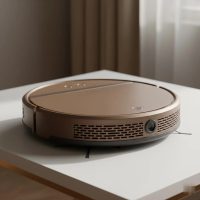
Imagine a home that cleans itself, effortlessly maintaining spotless floors while you focus on life’s more important moments. This isn’t a futuristic fantasy; it’s the present reality offered by the intelligent robot vacuum cleaner. These compact marvels have revolutionized home care, transitioning from mere gadgets to indispensable partners in maintaining a pristine living space. With advanced technology constantly evolving, understanding how these devices work, what to look for, and how to keep them in top shape is key to embracing a truly automated home. Let’s dive deep into the world of robot vacuum cleaners and unlock the secrets to a cleaner, smarter living.
How Do Robot Vacuum Cleaners Work Their Magic?
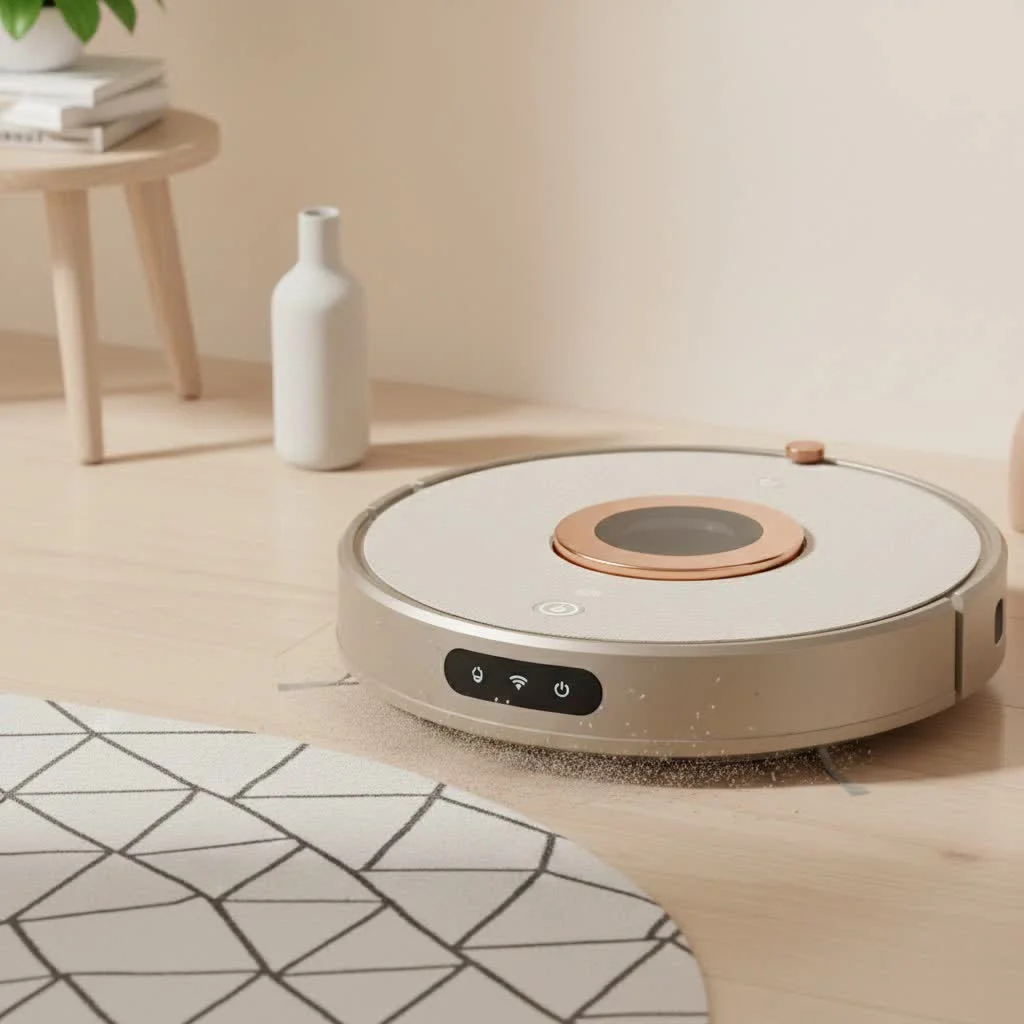
At first glance, a robot vacuum cleaner might seem like a simple disk-shaped device gliding across your floor. But beneath its sleek exterior lies a sophisticated ecosystem of sensors, algorithms, and mechanical ingenuity that allows it to perceive, navigate, and clean your home with remarkable precision.
Perception: The Eyes and Ears of Your Robot
A robot vacuum’s ability to “see” and “feel” its environment is fundamental to its operation. Modern robot vacuum cleaners are equipped with an array of sensors that act as their eyes and ears:
- LiDAR (Light Detection and Ranging): This advanced technology uses pulsed lasers to scan a room, creating highly accurate 2D maps. Think of it as building a precise blueprint of your home in real-time, crucial for efficient navigation, especially in larger or complex layouts.
- Vision Sensors (Cameras with AI): Many high-end robot vacuums feature cameras that capture images of their surroundings. Coupled with artificial intelligence algorithms, these cameras can identify and categorize common household obstacles like furniture, electrical cords, and even pet waste, allowing the robot to intelligently avoid them rather than bumping into them.
- Infrared/Cliff Sensors: These sensors emit infrared light to detect changes in floor height. They are critical for preventing your robot vacuum cleaner from tumbling down stairs or other sudden drops, ensuring it stays safely on the designated level.
- Collision Sensors: Often located on the bumper, these mechanical sensors detect physical contact with objects, prompting the robot to adjust its direction and prevent repeated bumps against walls or furniture.
Navigation and Planning: The Brain Behind the Clean
Once your robot vacuum cleaner perceives its environment, it needs a “brain” to process that information and plan its cleaning strategy. This is where sophisticated navigation and path-planning systems come into play:
- SLAM (Simultaneous Localization and Mapping): This computational approach allows the robot to build a map of its surroundings while simultaneously tracking its own position within that map. For robot vacuum cleaners, SLAM translates into remembering where it has cleaned, where it still needs to go, and the layout of your furniture, optimizing routes for thorough and efficient coverage.
- Path Planning Algorithms: Early robot vacuums often employed random or simple “insect-like” navigation patterns, sometimes cleaning the same spot multiple times while missing others. Modern robot vacuums use advanced algorithms to plan systematic paths, ensuring every inch of your floor is covered without unnecessary repetition. Some can even learn from past cleaning sessions, identifying frequently dirty areas and adjusting their strategies accordingly.
The Cleaning Core: Brushes and Suction
|
Our Picks for the Best Robot Vacuum in 2026
As an Amazon Associate I earn from qualifying purchases.
|
||
| Num | Product | Action |
|---|---|---|
| 1 | ILIFE A30 Pro Robot Vacuum and Mop, Self Emptying Station for 60 Days, 5000Pa Suction, LiDAR Navigation, No-Go Zones, 2.4G WiFi/App/Alexa/Remote Control, Roller Brush for Carpet, Hard Floors, 110V |

|
| 2 | ILIFE V2 Robot Vacuum Cleaner, Tangle-Free Suction, 120 Mins Runtime, Slim, Self-Charging Robotic Vacuum Cleaner, Ideal for Pet Hair and Hard Floors |
|
| 3 | Bagotte Robot Vacuum and Mop, Robot Vacuum Self Emptying, 5000Pa Powerful Suction, 90-Day Hands-Free, Advanced Smart Mapping, LiDAR Navigation Robotic Vacuum for Pet Hair, Dust, Carpet, WiFi/App/Alexa |
|
| 4 | Tikom Robot Vacuum and Mop Combo, 5000Pa Robotic Vacuum Cleaner, 150 Min Max, App & Remote Control, Ideal for Hard Floor, Carpet, Pet Hair, Self-Charge(G8000 Max) |
|
| 5 | Robot Vacuum and Mop, 3-in-1 Robotic Vacuum Cleaner with 70-Day Self-Emptying Base, 360° LiDAR Navigation, Smart Mapping & Auto-Return, 6000Pa Strong Suction for Pet Hair, Carpets & Hard Floors |
|
| 6 | Robot Vacuum and Mop Combo, 2 in 1 Mopping Robotic Vacuum Cleaner with Schedule, Wi-Fi/App/Remote, Strong Suction, Self-Charging, Slim, Ideal for Hard Floor, Pet Hair, Low-Pile Carpet |
|
| 7 | Tikom Robot Vacuum and Mop, 6000Pa Robotic Vacuum Cleaner with Self-Emptying Base, 90 Days Capacity, LiDAR Navigation, Home Mapping, Ideal for Pet Hair, Hard Floors, Carpet (L8000 Plus) |
|
| 8 | Robot Vacuum and Mop Combo, 11500Pa Suction, 3-in-1 Robotic Vacuum with Smart LiDAR Navigation, 70 Day Self-Emptying,160 Min Runtime,App/Alexa/Voice Control, Ideal for Pet Hair, Carpet & Hard Floor |
|
| 9 | roborock Q10 S5+ Robot Vacuum and Mop, 10,000Pa Suction, Upgraded from Q8 max+, 70 Days Self-Emptying, Obstacle Avoidance, Sonic Mopping, Dual Anti-Tangle Design, Auto Mop Lifting, Ideal for Pet Hair |
|
| 10 | ILIFE V5s Plus Robot Vacuum and Mop Combo with Wi-Fi/App/Alexa, Automatic Self-Charging Robotic Vacuum Cleaner, Slim and Quiet, Cleans Hard Floors Carpets and Pet Hair (V5s Pro Upgrade Version) |
|
At its heart, a robot vacuum cleaner is still a vacuum. Its cleaning power comes from a combination of mechanical components:
- Main Brushes: These are typically found on the underside of the robot. Depending on the model, they can be traditional bristle brushes (effective for fine dust), rubber and wool combos (balanced cleaning), or pure rubber rollers (excellent for pet hair and preventing tangles, especially on carpets). These brushes agitate and lift debris from the floor.
- Side Brushes: Small, spinning brushes usually located on the sides of the robot, designed to sweep dirt, dust, and debris from edges, corners, and along walls into the path of the main brush and suction inlet.
- Suction System: An electric motor generates suction power to pull in the loosened dirt and debris from the floor, depositing it into a removable dustbin. The strength of this suction is measured in Pascals (Pa), ranging from around 2000 Pa for basic models to over 6000 Pa for high-end units.
Choosing Your Perfect Cleaning Companion: Key Features to Consider
Selecting the right robot vacuum cleaner can feel overwhelming with the myriad of options available. To simplify your choice, let’s break down the essential features that truly make a difference.
Decoding Suction Power and Brush Design
When it comes to cleaning performance, suction power is often highlighted, but it’s not the only factor. A robot vacuum cleaner with strong suction, typically measured in Pascals (Pa), is great for deep cleaning carpets and tackling embedded dirt. However, a balanced approach considers the brush design too. For instance, a pure rubber brush is a game-changer for homes with pets, minimizing hair tangles, while a combo brush works well on mixed floor types. The ideal is a synergy between power and efficiency.
Advanced Navigation and Obstacle Avoidance Systems
The intelligence of a robot vacuum cleaner truly shines through its navigation. LiDAR systems excel at creating precise home maps, which are perfect for large, complex layouts. For an even smoother experience, look for robot vacuum cleaner models with AI Vision obstacle avoidance. As Dr. Eleanor Vance, a Robotics and Smart Home Technology Specialist, explains, “AI Vision allows the robot to not just detect an object, but to understand what it is – a sock versus a chair, for example – and respond appropriately. This significantly reduces instances of the robot getting stuck or creating a bigger mess.” This accurate mapping also enables features like setting virtual no-go zones and cleaning specific areas.
Battery Life and Smart Charging
A robot vacuum is only as good as its ability to complete the job. Most models offer a battery life ranging from 90 to 180 minutes, sufficient for average-sized homes. For larger spaces, prioritize models with longer battery life, ideally 5000 mAh or more. Crucially, almost all robot vacuums feature automatic recharging, returning to their dock when power is low and resuming cleaning once charged – a feature known as “resume cleaning.”
The Convenience of Automatic Dust Collection
One of the biggest pain points of earlier robot vacuum cleaners was the frequent need to empty their small dustbins. Enter the automatic dust collection system. These innovative base stations use powerful suction to automatically transfer debris from the robot’s bin into a larger disposable bag within the dock. This means you can often go 30 to 60 days without manually touching dirt, offering a truly hands-free cleaning experience.
Matching a Robot Vacuum to Your Home and Lifestyle
The “best” robot vacuum cleaner isn’t universal; it’s the one that best fits your specific living environment:
- Small Apartments/Single-Person Apartments: Focus on cost-effectiveness and basic features. A lightweight model with LDS laser navigation for efficient small-area cleaning and a battery capacity of around 3200 mAh will suffice.
- Pet-Friendly Homes: Prioritize strong suction (4000Pa or higher) and anti-tangle pure rubber brushes or dual-brush systems to handle pet hair effectively.
- Large Flats/Duplexes: You’ll need features like multi-map management (to store maps for different floors), a long battery life (5000 mAh+), and powerful suction (4000 Pa+) with efficient D-ToF or LDS navigation for optimal route planning.
Keeping Your Robot Vacuum Running Smoothly: Maintenance and Troubleshooting
Even the most advanced robot vacuum cleaner needs a little TLC to perform at its peak. Regular maintenance prevents common issues, while knowing how to troubleshoot can quickly get your cleaning companion back on track.
Essential Robot Vacuum Maintenance Tips
Think of your robot vacuum cleaner like a small car; it needs regular check-ups to run efficiently:
- Daily/After Each Use:
- Empty the dustbin. If your model has an auto-empty dock, check the dock’s bag.
- If your robot mops, wash or rinse its mop pads and let them dry completely before reinstalling.
- Quickly check the main and side brushes for tangled hair or large debris.
- Weekly:
- Tap or brush off dust from the filter. If it’s a reusable filter, rinse it with warm water (only if explicitly stated by the manufacturer) and let it dry completely. Disposable filters should never be washed.
- Carefully remove and clean hair or debris from the main and side brushes. Scissors can be useful for cutting tangled hair.
- Wipe down all sensors (LiDAR, cliff, collision) with a dry, soft cloth to ensure accurate navigation.
- Monthly/Every Few Months:
- Inspect wheels and wheel wells for accumulated hair or debris that might impede movement.
- Replace disposable filters every 1-3 months, and other worn-out parts like side brushes or main brushes every 3-6 months, depending on usage.
- Battery Care: Use only the manufacturer-provided charger. Avoid overcharging by unplugging once fully charged if your dock doesn’t manage it automatically. Keep the battery cool and dry, and regularly use and recharge the vacuum to 100% to maintain battery health. Avoid letting the battery completely drain.
Common Robot Vacuum Problems and Their Solutions
Even with diligent maintenance, issues can occasionally arise. Here’s how to tackle some common problems with your robot vacuum cleaner:
“My Robot Vacuum Won’t Charge or Turn On!”
This is a frequent hiccup. First, inspect the charging contacts on both the robot and its charging station for dirt, dust, or corrosion. Clean them with a dry cloth. Ensure the charging dock is securely plugged in and its power supply is working. If the battery is completely drained, it might take a moment to respond. If all else fails, consult your manual for a reset button location or consider replacing an aging battery.
“It’s Not Cleaning Properly!”
If your robot vacuum cleaner seems to be missing spots or leaving debris behind, check for obstructed sensors, a full dustbin, or dirty/tangled brushes. A clogged dustbin reduces suction, and tangled brushes hinder effective pickup. A thorough cleaning of these components usually resolves the issue. Some apps also offer a recalibration process that can improve cleaning patterns.
“My Robot Vacuum Keeps Getting Stuck!”
Advanced navigation systems prevent many obstacles, but software glitches or persistent physical obstructions can still pose a challenge. Ensure your robot’s firmware and accompanying app are up to date. Identify problem areas: Are there loose rugs, charging cables, or furniture that consistently trip it up? Remove these obstacles, or if your model supports it, set virtual walls or “no-go zones” in the app to steer the robot clear. Cleaning the camera and navigation sensors can also help.
“The Brushes Aren’t Spinning or It’s Making Strange Noises!”
Strange noises or stationary brushes often point to debris. Inspect the main and side brushes for hair tangles, threads, or other obstructions. Remove any blockages to allow them to rotate freely. In some cases, a brush might be cracked or damaged and require replacement. Regularly cleaning your brushes, especially in homes with pets or long hair, is the best preventative measure.
“It Lost Wi-Fi Connection!”
Connectivity issues can be frustrating. First, verify that your Wi-Fi network is active and the robot vacuum cleaner is within range. Ensure your robot is connected to a 2.4GHz network, as many older models and some newer ones don’t support 5GHz. Update your robot’s app and consider rebooting your router, the vacuum, and your phone. If problems persist, you might need to disconnect and re-establish the Wi-Fi connection from scratch via the app.
The Horizon of Home Cleaning: The Future of Robot Vacuum Technology
The journey of the robot vacuum cleaner is far from over. These devices are continuously evolving, promising an even smarter, more autonomous, and integrated role in our homes.
AI and Machine Learning: Towards True Autonomy
The future of the robot vacuum cleaner is intrinsically linked to advancements in AI and machine learning. We can expect robots that not only map your home but truly understand it, learning your cleaning habits, identifying persistent dirt patterns, and automatically adjusting their strategies. This means enhanced navigation, adaptive cleaning tailored to specific messes, and ultimately, a robot that anticipates your needs, minimizing the need for human intervention.
Beyond Vacuuming: Multifunctional Integration
Imagine a device that does more than just clean floors. Future robot vacuum cleaners are expected to integrate multiple functions, transforming into true home assistants. This could include built-in air purification, UV sterilization capabilities, and even home monitoring functionalities, offering a more holistic approach to maintaining a healthy and secure living environment.
Seamless Smart Home Integration and Voice Control
The robot vacuum cleaner will become a central component of an interconnected smart home ecosystem. It will communicate effortlessly with other smart devices, such as thermostats that trigger cleaning when you leave the house or air purifiers that coordinate to tackle dust. Voice assistants like Alexa, Google Assistant, and Siri will offer even more intuitive control, allowing you to command your cleaning with simple spoken requests.
Conquering New Frontiers: Stair Climbing and Commercial Use
One of the current limitations for many robot vacuum cleaner models is multi-level homes. However, advancements in sensors and AI are paving the way for robots that can detect and climb stairs, seamlessly transitioning between floors without assistance. Beyond residential use, robust robot vacuums are also set to expand into commercial applications, efficiently cleaning large spaces in hotels, healthcare facilities, and retail stores, further reducing manual labor.
Sustainability and Design Innovations
As technology progresses, so does our commitment to the planet. Future robot vacuum cleaners are expected to feature more eco-conscious designs, incorporating sustainable materials, optimizing energy efficiency, and reducing overall waste. Manufacturers are already exploring recyclable components, pushing towards a minimal environmental footprint for these convenient cleaning companions.
Frequently Asked Questions (FAQ)
Is a higher suction power robot vacuum cleaner always better?
Not entirely. While higher suction (Pa value) generally improves cleaning, especially on carpets, it can also lead to increased noise and power consumption. For most households, 3000-4000 Pa is sufficient. Focus on a good balance with an effective brush design.
Do robot vacuums require regular maintenance?
Yes, absolutely. While they offer “intelligent cleaning,” regular maintenance of the filter, brushes, and sensors is crucial to maintain optimal suction power and navigation accuracy. We recommend checking every 2-4 weeks and replacing accessories as needed.
Which feature should I prioritize with a limited budget?
If your budget is tight, prioritize navigation over advanced self-cleaning features. A model with LDS (LiDAR) laser navigation ensures efficient, thorough cleaning without getting lost, which is fundamental to a good robot vacuum cleaner experience.
What’s the difference between LiDAR navigation and AI visual obstacle avoidance?
LiDAR navigation creates precise 2D maps of your home for efficient route planning. AI visual obstacle avoidance uses cameras and image recognition to identify and intelligently avoid specific objects like pet waste or cables. For the smoothest, most minimally invasive cleaning, a combined system of both is ideal.
What are some recommended robot vacuum brands for different budgets?
For high-end performance, brands like Roborock, Dreame, and iRobot are excellent choices. If you’re seeking a great balance of performance and affordability, consider brands such as Honiture, Ecovacs, Yeedi, and Eufy.
Conclusion
The robot vacuum cleaner has come a long way, evolving from a futuristic novelty into an indispensable smart home appliance. These intelligent devices offer unparalleled convenience, freeing up valuable time and ensuring your living spaces remain effortlessly clean. From their sophisticated navigation systems and powerful cleaning mechanisms to the promise of even greater autonomy and smart home integration, the future of robot vacuum technology is bright. Embracing a robot vacuum cleaner means stepping into an era where hands-free cleaning is not just a luxury, but an accessible and intelligent reality for every modern household.
Smart home that does not lock you in
Free PDF — protocol compatibility matrix for 30 hubs and devices.