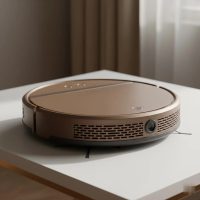
Imagine a world where your floors sparkle without you lifting a finger, where the chore of vacuuming and even mopping becomes a distant memory. This isn’t a futuristic dream; it’s the reality brought to life by the sophisticated self cleaning robot vacuum. These intelligent devices have revolutionized home maintenance, moving beyond simple automation to offer a truly “set it and forget it” experience. If you’re tired of daily dustbin emptying and endless mop washing, get ready to discover how these clever gadgets can transform your home and free up your precious time.
What Exactly is a Self-Cleaning Robot Vacuum?
At its core, a self cleaning robot vacuum is an autonomous floor cleaner equipped with an advanced docking station that handles much of the dirty work for you. It’s more than just a robot that vacuums; it’s a comprehensive cleaning system that intelligently maintains itself. While all robot vacuums aim to make life easier, self-cleaning models take convenience to a whole new level by automating post-cleaning chores. For complete robot vacuums library on this site.
Here’s a closer look at how these marvels of modern engineering operate:
Navigation and Smart Docking
Today’s top self cleaning robot vacuums leverage cutting-edge navigation technologies like LiDAR (Light Detection and Ranging) and 3D mapping. These systems allow the robot to create precise maps of your home, identify different rooms, and plan the most efficient cleaning routes. Crucially, they remember their charging station, returning effortlessly when the battery is low or the cleaning cycle is complete. Advanced obstacle avoidance, often powered by AI and sophisticated sensors, helps them cleverly steer clear of common household hazards like shoes, pet toys, and charging cables, preventing frustrating tangles and interruptions.
Automatic Dustbin Emptying
This is where the “self-emptying” aspect of the self cleaning robot vacuum truly shines. Once the robot finishes its cleaning session, it automatically docks. A powerful suction system within the base station then activates, pulling all the debris, dust, and pet hair from the robot’s internal dustbin into a much larger, sealed container or bag within the dock. This larger receptacle can often hold weeks, sometimes even months, worth of dirt, meaning you only have to interact with the vacuum’s waste every 30 to 60 days, or even up to 100-150 days in some premium models. This dramatically reduces your hands-on effort and keeps allergens contained.
Mop Pad Washing & Drying
For those integrated vacuum-and-mop hybrid models, the self-cleaning capabilities extend to the mopping function. After mopping, the robot returns to its base, where specialized brushes or rollers within the dock thoroughly scrub and rinse the mop pads with clean water, often heated for better sanitization. The dirty water is then extracted and stored in a separate tank, ensuring your floors are always cleaned with fresh pads, not dirty ones. To prevent mildew, odors, and bacterial growth, many docks also employ hot air drying for the mop pads. Some advanced systems even automatically refill the robot’s clean water tank and dispense detergent.
(Optional) Brush Roll Self-Cleaning/Detangling
|
Our Picks for the Best Robot Vacuum in 2026
As an Amazon Associate I earn from qualifying purchases.
|
||
| Num | Product | Action |
|---|---|---|
| 1 | Robot Vacuum and Mop, 3-in-1 Robotic Vacuum Cleaner with 70-Day Self-Emptying Base, 360° LiDAR Navigation, Smart Mapping & Auto-Return, 6000Pa Strong Suction for Pet Hair, Carpets & Hard Floors |

|
| 2 | ILIFE A30 Pro Robot Vacuum and Mop, Self Emptying Station for 60 Days, 5000Pa Suction, LiDAR Navigation, No-Go Zones, 2.4G WiFi/App/Alexa/Remote Control, Roller Brush for Carpet, Hard Floors, 110V |
|
| 3 | Robot Vacuum and Mop Combo, 11500Pa Suction, 3-in-1 Robotic Vacuum with Smart LiDAR Navigation, 70 Day Self-Emptying,160 Min Runtime,App/Alexa/Voice Control, Ideal for Pet Hair, Carpet & Hard Floor |
|
| 4 | Robot Vacuum and Mop Combo, 2 in 1 Mopping Robotic Vacuum Cleaner with Schedule, Wi-Fi/App/Remote, Strong Suction, Self-Charging, Slim, Ideal for Hard Floor, Pet Hair, Low-Pile Carpet |
|
| 5 | Tikom Robot Vacuum and Mop Combo, 5000Pa Robotic Vacuum Cleaner, 150 Min Max, App & Remote Control, Ideal for Hard Floor, Carpet, Pet Hair, Self-Charge(G8000 Max) |
|
| 6 | ILIFE V2 Robot Vacuum Cleaner, Tangle-Free Suction, 120 Mins Runtime, Slim, Self-Charging Robotic Vacuum Cleaner, Ideal for Pet Hair and Hard Floors |
|
| 7 | roborock Q10 S5+ Robot Vacuum and Mop, 10,000Pa Suction, Upgraded from Q8 max+, 70 Days Self-Emptying, Obstacle Avoidance, Sonic Mopping, Dual Anti-Tangle Design, Auto Mop Lifting, Ideal for Pet Hair |
|
| 8 | Tikom Robot Vacuum and Mop, 6000Pa Robotic Vacuum Cleaner with Self-Emptying Base, 90 Days Capacity, LiDAR Navigation, Home Mapping, Ideal for Pet Hair, Hard Floors, Carpet (L8000 Plus) |
|
| 9 | ILIFE V5s Plus Robot Vacuum and Mop Combo with Wi-Fi/App/Alexa, Automatic Self-Charging Robotic Vacuum Cleaner, Slim and Quiet, Cleans Hard Floors Carpets and Pet Hair (V5s Pro Upgrade Version) |
|
| 10 | Bagotte Robot Vacuum and Mop, Robot Vacuum Self Emptying, 5000Pa Powerful Suction, 90-Day Hands-Free, Advanced Smart Mapping, LiDAR Navigation Robotic Vacuum for Pet Hair, Dust, Carpet, WiFi/App/Alexa |
|
Certain high-end self cleaning robot vacuum models offer an extra layer of maintenance convenience: brush roll self-cleaning. This feature uses mechanisms within the dock to remove tangled hair and debris from the robot’s main brush, a common pain point for pet owners. While not universal, this innovation brings us even closer to a truly hands-off cleaning experience.
Why You’ll Love Having a Self-Cleaning Robot Vacuum: The Benefits
Investing in a self cleaning robot vacuum isn’t just about owning a gadget; it’s about reclaiming your time and experiencing a new level of cleanliness and convenience. Here are some compelling reasons why these devices are becoming a household essential:
Unmatched Convenience: Freedom from Daily Tasks
Let’s be honest: emptying a tiny robot dustbin after every run can feel like another chore. With a self cleaning robot vacuum, that daily interaction disappears. You can literally “set it and forget it” for weeks on end, enjoying consistently clean floors without thinking about the vacuum itself. This convenience is a game-changer for busy individuals and families. As Dr. Amelia Thorne, a leading expert in smart cleaning technology, often points out, “The true value of smart home devices lies in their ability to seamlessly integrate into our lives, automating tasks so we can focus on what truly matters. Self-cleaning robot vacuums embody this perfectly.”
Superior Hygiene & Allergy Relief
Manual dustbin emptying can release dust, pollen, and pet dander back into your home, which is far from ideal, especially for allergy and asthma sufferers. Self cleaning robot vacuums typically feature sealed base station systems and often utilize HEPA-certified bags or filters that effectively trap 99.9% of these allergens. The automatic washing and drying of mop pads also prevent the growth of bacteria and the development of unpleasant odors, ensuring a more hygienic clean every time.
Consistent, Effortless Cleaning
With an empty dustbin and fresh mop pads (if applicable) every time it starts, your self cleaning robot vacuum can perform at its peak. This consistency means more effective debris pickup and streak-free mopping sessions. You don’t have to worry about the robot’s performance degrading due to a full bin or dirty pads; it’s always ready for its next mission.
Pet Parent’s Best Friend
Anyone with furry friends knows the struggle of pet hair. Many self cleaning robot vacuums, especially newer models, come with tangle-free rubber brushes designed to handle even “husky-level” shedding. Combine this with automatic dustbin emptying, and you’ve got a powerful ally against pet dander and fur, significantly reducing the amount of pet hair floating around your home and preventing annoying hair clogs.
Time-Saving Powerhouse
The most apparent benefit is the incredible amount of time you save. Imagine gaining back 30 minutes or more each week that you would have spent manually emptying bins and washing mop pads. This reclaimed time can be used for hobbies, family, or simply relaxing, making the self cleaning robot vacuum an investment in your lifestyle, not just your home.
What to Consider Before Buying: Navigating the World of Self-Cleaning Robot Vacuums
While the allure of a hands-free clean is strong, it’s wise to consider a few factors to ensure a self cleaning robot vacuum is the right fit for your home and lifestyle.
Initial Investment
There’s no sugar-coating it: self cleaning robot vacuums come with a higher upfront cost compared to standard robot vacuums or traditional models. This premium reflects the advanced technology, sophisticated docking stations, and enhanced automation. However, many users find the long-term convenience and time savings quickly justify the initial expense.
Base Station Footprint
The multi-functional base stations are larger than a simple charging dock. They need space to house the larger dust container, clean water tank, and dirty water tank. You’ll need to allocate a dedicated spot for your self cleaning robot vacuum where its dock can comfortably sit without being an obstruction.
Ongoing Maintenance (Yes, Still Some!)
“Self-cleaning” doesn’t mean “zero maintenance.” While these robots drastically reduce your chores, you’ll still need to:
- Empty the base station’s larger dust bag/container every few weeks or months.
- Refill the clean water tank and empty the dirty water tank for mopping models.
- Periodically clean filters and brush rolls, even if they have some self-detangling features.
- Replace dust bags if your model uses them.
Think of it as cutting your cleaning effort by 80-90%, not eliminating it entirely.
Deep Cleaning Limitations
A self cleaning robot vacuum excels at maintaining daily cleanliness, efficiently handling dust, crumbs, and pet hair. However, it’s generally a complement, not a complete replacement, for manual deep cleaning. Stairs, intricate corners, and heavily soiled areas may still require occasional attention from a traditional vacuum or mop.
Key Features to Compare
When exploring different models, keep an eye on these specifics:
- Suction Power (Pa): Higher Pascal (Pa) ratings (e.g., 4000 Pa and above) indicate stronger suction, crucial for carpets and embedded dirt. Some premium models boast over 10,000 Pa.
- Navigation & Obstacle Avoidance Tech: Look for LiDAR, 3D mapping, and AI-powered obstacle recognition for reliable and efficient cleaning.
- Mop System: Consider features like rotary or vibrating mop pads, automatic lifting for carpets, and hot water washing or air drying in the base.
- Dustbin & Water Tank Capacity: Larger capacities in both the robot and the base station mean less frequent human intervention.
- Noise Levels: The emptying process can be loud, but it’s typically brief. Newer models aim for quieter operation.
- App Features & Smart Home Integration: A robust app offers customization, scheduling, and zone cleaning, while smart home integration allows for voice control.
The Future of Floor Care: What’s Next for Self-Cleaning Robot Vacuums?
The evolution of the self cleaning robot vacuum is far from over. Expect even more intelligent features in the coming years. We’re likely to see advancements in AI-driven cleaning decisions, where robots learn your home’s unique cleaning needs and adapt their routines without explicit programming. Innovations like eco-friendly water recycling systems and even smaller, quieter base stations are also on the horizon. Brands are continuously pushing boundaries, aiming to make these devices even more autonomous and seamlessly integrated into our smart homes.
Frequently Asked Questions About Self-Cleaning Robot Vacuums
Q: Are self-emptying robot vacuums suitable for all floor types?
A: Generally, yes. Most self cleaning robot vacuums can effectively clean hardwood, tile, laminate, vinyl, and low- to medium-pile carpets. Models with auto-lifting mop pads are particularly good for homes with mixed flooring, as they can transition from hard floors to carpets without wetting them.
Q: Are auto-empty robot vacuums loud?
A: The automatic emptying process itself can be noticeably louder than the robot’s vacuuming, often comparable to a full-sized vacuum or a dishwasher. However, this high-suction cycle is usually very brief, lasting only about 10-20 seconds, and typically runs only once per cleaning session.
Q: How often do I need to empty the base station?
A: This depends on the model, your home size, and how much debris your robot collects. For an average-sized home, you can typically expect to empty the base station’s dust bag or container every 30 to 60 days. Some advanced models can even hold up to 100-150 days of debris.
Q: Can I use any detergent in the mop system?
A: No, it’s crucial to use only manufacturer-recommended cleaning solutions or plain water in your self cleaning robot vacuum‘s mop system. Using unapproved detergents can clog internal mechanisms, damage components, or void your warranty.
Q: Do these replace manual vacuuming entirely?
A: For daily and routine cleaning, a self cleaning robot vacuum can largely replace manual vacuuming. It keeps dust, dirt, and pet hair at bay with minimal effort from you. However, for deep cleaning tasks, tackling stairs, reaching elevated surfaces, or addressing stubborn spills, a traditional manual vacuum or mop still offers advantages. Think of your robot as your primary floor maintenance crew, with you stepping in for the occasional “special operations.”
Conclusion
The self cleaning robot vacuum represents a significant leap forward in home automation, offering a level of hands-free convenience that was once unimaginable. By automatically emptying their own bins, washing mop pads, and smartly navigating your home, these devices truly simplify floor care. While they involve a higher initial investment and some minimal ongoing maintenance, the benefits of consistently clean floors, reduced allergen exposure, and reclaimed personal time are invaluable. For busy households, pet owners, and allergy sufferers, embracing a self cleaning robot vacuum isn’t just an upgrade; it’s a step towards a smarter, cleaner, and more relaxed way of living. If you’re ready to bid farewell to daily chores and welcome a new era of effortless cleanliness, it might just be the smartest upgrade you make this year.
Smart home that does not lock you in
Free PDF — protocol compatibility matrix for 30 hubs and devices.