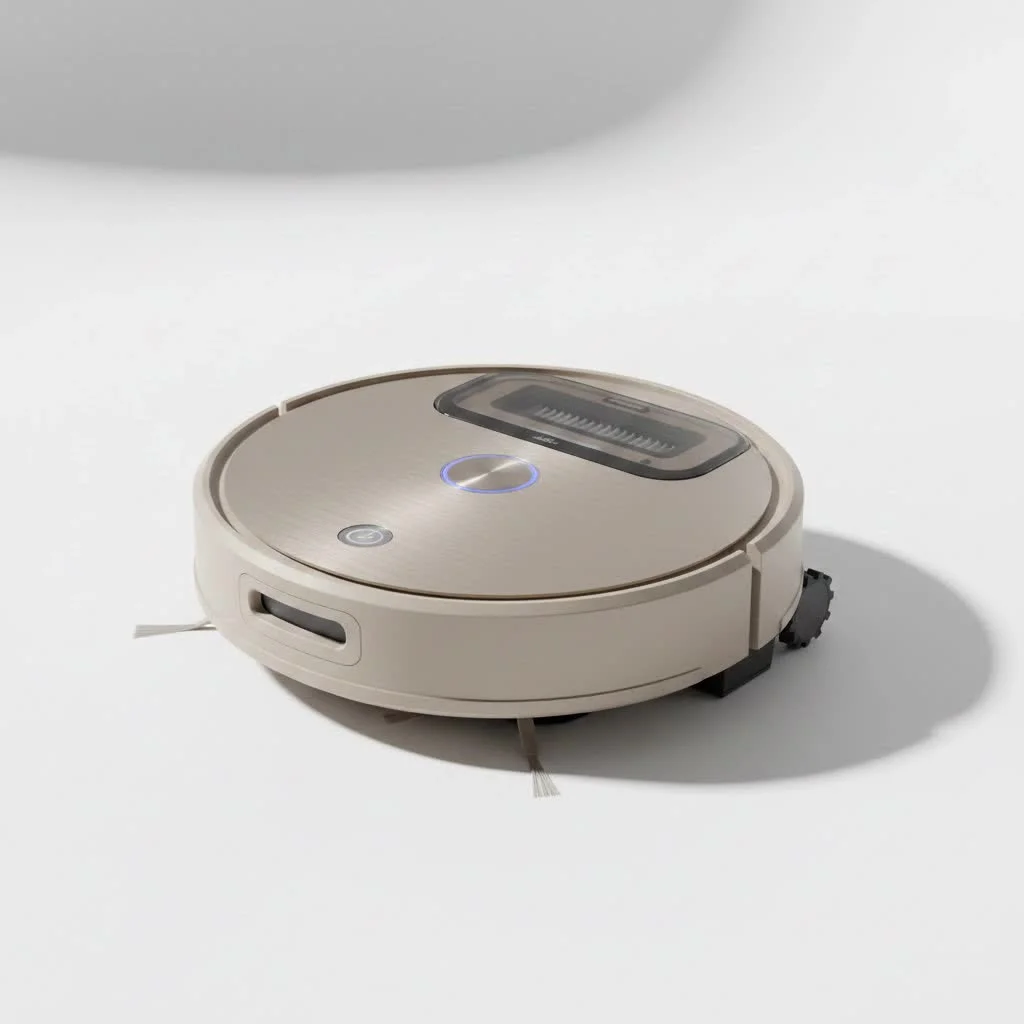
The best robot vacuum mop combines powerful vacuuming with effective mopping in a single device, offering a hands-free cleaning experience that saves significant time and energy. These advanced units are designed to navigate homes intelligently, tackling daily dust, pet hair, and stubborn spills, thereby transforming floor care routines into an effortless process.
Understanding the Best Robot Vacuum Mop: How They Revolutionize Cleaning
The convergence of vacuuming and mopping in a single robotic unit represents a significant leap in home automation. These devices are sophisticated cleaning partners designed to navigate your living spaces, tackling everything from daily dust to stubborn spills.
The Technology Beneath the Shine: Vacuuming and Mopping in One
At its core, a robot vacuum mop is a master of dual functions. For vacuuming, these robots boast impressive suction power, often measured in Pascals (Pa), with leading models reaching upwards of 18,000-20,000 Pa to effectively lift dirt, dust, and pet hair from various surfaces. They typically employ brush systems, including main rollers and side brushes, to agitate debris and guide it into the dustbin.
The mopping component has evolved significantly. Early models used simple drag cloths, but today’s best robot vacuum mops feature advanced mechanisms like vibrating pads for scrubbing, rotating mop pads that press down for a deeper clean, or even roller mops that mimic the motion of a manual mop, applying consistent pressure to remove stains. Some even use hot water to enhance cleaning effectiveness and sanitize floors. This integrated approach means carpets get vacuumed thoroughly, while hard floors receive a simultaneous scrub, leaving them sparkling.
Smart Navigation: Mapping Your Home for Flawless Floors
The “smart” in smart cleaning truly shines through the navigation capabilities of these robots. Equipped with sophisticated sensors and mapping technologies, the best robot vacuum mops don’t just wander aimlessly.
Many premium models utilize Light Detection and Ranging (LIDAR) sensors to create highly accurate maps of your home. This allows them to plan efficient cleaning routes, ensuring comprehensive coverage without missing spots or repeating areas unnecessarily. Visual Simultaneous Localization and Mapping (VSLAM) and advanced AI-powered obstacle avoidance systems, often integrating cameras, enable these robots to detect and skillfully navigate around furniture, cords, toys, and even pet waste, preventing tangles and interruptions. This intelligence extends to features like zone cleaning, allowing you to direct the robot to specific areas, and the creation of “no-go zones” or “no-mop zones” for sensitive areas like delicate rugs or pet bowls.
Key Features to Consider for Your Ideal Robot Vacuum Mop
Choosing the best robot vacuum mop means looking beyond just suction and mopping. It’s about finding a device that seamlessly integrates into your lifestyle and meets your specific cleaning needs.
Self-Maintenance Stations: The Ultimate Hands-Free Experience
|
Our Picks for the Best Robot Vacuum in 2026
As an Amazon Associate I earn from qualifying purchases.
|
||
| Num | Product | Action |
|---|---|---|
| 1 | ILIFE V2 Robot Vacuum Cleaner, Tangle-Free Suction, 120 Mins Runtime, Slim, Self-Charging Robotic Vacuum Cleaner, Ideal for Pet Hair and Hard Floors |

|
| 2 | roborock Q10 S5+ Robot Vacuum and Mop, 10,000Pa Suction, Upgraded from Q8 max+, 70 Days Self-Emptying, Obstacle Avoidance, Sonic Mopping, Dual Anti-Tangle Design, Auto Mop Lifting, Ideal for Pet Hair |
|
| 3 | Tikom Robot Vacuum and Mop Combo, 5000Pa Robotic Vacuum Cleaner, 150 Min Max, App & Remote Control, Ideal for Hard Floor, Carpet, Pet Hair, Self-Charge(G8000 Max) |
|
| 4 | Bagotte Robot Vacuum and Mop, Robot Vacuum Self Emptying, 5000Pa Powerful Suction, 90-Day Hands-Free, Advanced Smart Mapping, LiDAR Navigation Robotic Vacuum for Pet Hair, Dust, Carpet, WiFi/App/Alexa |
|
| 5 | Robot Vacuum and Mop Combo, 11500Pa Suction, 3-in-1 Robotic Vacuum with Smart LiDAR Navigation, 70 Day Self-Emptying,160 Min Runtime,App/Alexa/Voice Control, Ideal for Pet Hair, Carpet & Hard Floor |
|
| 6 | ILIFE V5s Plus Robot Vacuum and Mop Combo with Wi-Fi/App/Alexa, Automatic Self-Charging Robotic Vacuum Cleaner, Slim and Quiet, Cleans Hard Floors Carpets and Pet Hair (V5s Pro Upgrade Version) |
|
| 7 | Tikom Robot Vacuum and Mop, 6000Pa Robotic Vacuum Cleaner with Self-Emptying Base, 90 Days Capacity, LiDAR Navigation, Home Mapping, Ideal for Pet Hair, Hard Floors, Carpet (L8000 Plus) |
|
| 8 | Robot Vacuum and Mop, 3-in-1 Robotic Vacuum Cleaner with 70-Day Self-Emptying Base, 360° LiDAR Navigation, Smart Mapping & Auto-Return, 6000Pa Strong Suction for Pet Hair, Carpets & Hard Floors |
|
| 9 | ILIFE A30 Pro Robot Vacuum and Mop, Self Emptying Station for 60 Days, 5000Pa Suction, LiDAR Navigation, No-Go Zones, 2.4G WiFi/App/Alexa/Remote Control, Roller Brush for Carpet, Hard Floors, 110V |
|
| 10 | Robot Vacuum and Mop Combo, 2 in 1 Mopping Robotic Vacuum Cleaner with Schedule, Wi-Fi/App/Remote, Strong Suction, Self-Charging, Slim, Ideal for Hard Floor, Pet Hair, Low-Pile Carpet |
|
One of the most compelling innovations in recent robot vacuum mop technology is the all-in-one self-maintenance station, often referred to as “Omni” stations. These docks take convenience to an entirely new level. After a cleaning cycle, the robot automatically returns to its station to:
- Self-empty its dustbin into a larger bag, reducing how often you need to deal with dirt for up to 60 days.
- Auto-refill its water tank for the next mopping session.
- Wash its mop pads with clean water, ensuring they are fresh for every clean. Some even use hot water for superior sanitation.
- Dry the mop pads with hot air to prevent mildew and odors, a truly game-changing feature for hygiene.
This level of automation means significantly less manual intervention, allowing you to truly set it and forget it for weeks at a time.
Floor Type Versatility: Hardwood, Tile, and Carpet
Your home’s flooring mix is a critical factor. The best robot vacuum mops are designed to handle diverse surfaces. For homes with both hard floors and carpets, look for models with automatic mop-lifting capabilities. These intelligent robots can detect carpeted areas and automatically lift their mop pads to prevent wetting your rugs while continuing to vacuum. Others can avoid carpeted areas altogether in mopping mode. This adaptability ensures that your carpets remain dry and your hard floors get a proper scrub without manual adjustments.
Battery Life and Coverage Area
Consider the size of your home. A longer battery life and efficient navigation are crucial for larger spaces. High-end robot vacuum mops can run for well over 200 minutes on a single charge, capable of cleaning expansive areas before needing to recharge. Many also feature a “recharge and resume” function, where they’ll return to their dock, power up, and then pick up cleaning exactly where they left off.
Smart Home Integration and App Control
Modern robot vacuum mops are integral parts of the smart home ecosystem. They typically come with intuitive smartphone apps that allow you to:
- Start, stop, or pause cleaning from anywhere.
- Schedule cleaning sessions.
- Set no-go zones or virtual walls.
- Adjust suction power and water flow.
- View cleaning maps and history.
Many also offer voice control compatibility with popular assistants like Amazon Alexa and Google Assistant, making it even easier to initiate a cleaning cycle with a simple command.
Pet-Friendly Features: Tackling Fur with Ease
For pet owners, robot vacuum mops can be a godsend. Look for models specifically designed to handle pet hair, featuring tangle-free brush rolls that minimize hair wrapping. Larger dustbins are also a plus for furry homes, as pet hair can quickly fill them up. Advanced obstacle avoidance is particularly beneficial here, as it helps the robot avoid “accidents” from your beloved companions. As robotics expert Dr. Evelyn Reed often says, “A pet-friendly robot vacuum mop isn’t just about picking up hair; it’s about intelligent design that anticipates the unique challenges of a pet-filled home, ensuring a clean floor without unforeseen messes.”
Benefits and Limitations: A Balanced Perspective
While the best robot vacuum mops offer unparalleled convenience, it’s helpful to understand both their advantages and areas where they might not entirely replace traditional cleaning methods.
The Upsides: Convenience, Efficiency, and Consistent Cleanliness
The primary benefit is the sheer convenience. Imagine coming home to freshly vacuumed and mopped floors every day, without you having to lift a finger. This saves significant time and effort, freeing you up for other activities. They are incredibly efficient for daily maintenance, keeping dust, crumbs, and light grime at bay. Their ability to clean under furniture and in hard-to-reach areas means a more consistently clean home environment. For individuals with mobility issues, allergies, or simply busy schedules, these robots are invaluable.
Things to : Initial Cost, Maintenance, and Deep Cleaning Expectations
The initial investment for a high-quality robot vacuum mop, especially those with advanced self-maintenance stations, can be substantial. While they significantly reduce manual labor, they don’t eliminate it entirely. You’ll still need to periodically empty waste bags, refill solution tanks, clean filters, and replace worn-out components. While excellent for maintenance, they may not entirely replace the need for occasional deep cleaning, especially for very stubborn stains or heavily soiled areas that require intense scrubbing. Think of them as your daily cleaning crew, keeping things tidy between more intensive efforts.
Tips for Optimal Performance and Longevity
To ensure your best robot vacuum mop serves you well for years to come, a few simple practices can make a big difference.
Regular Maintenance: Keeping Your Robot Running Smoothly
Just like any appliance, your robot vacuum mop thrives on regular care. This includes:
- Cleaning brushes and filters: Regularly remove tangled hair from main and side brushes. Clean or replace filters as recommended by the manufacturer to maintain optimal suction.
- Wiping sensors: Dust and debris can obscure sensors, affecting navigation. Gently wipe them clean with a soft cloth.
- Emptying and cleaning water tanks: Always use filtered water if recommended and clean the dirty water tank to prevent odors and bacterial buildup, especially if your model doesn’t have a self-cleaning station.
- Checking wheels: Ensure no hair or string is wrapped around the wheels, which can impede movement.
Adhering to the manufacturer’s maintenance schedule is key to extending your robot’s lifespan and maintaining peak performance.
Pre-Cleaning Routine and Placement
While advanced obstacle avoidance is impressive, a little preparation goes a long way. Before starting a cleaning cycle, quickly pick up any loose cables, small toys, or clothing items from the floor. This minimizes the chances of your robot getting stuck or trying to vacuum up something it shouldn’t. Strategic placement of your robot’s docking station in an open area also helps it navigate back home efficiently after cleaning.
The Future of Floor Care: What’s Next for Robot Vacuum Mops?
The evolution of robot vacuum mops is continuous, promising even more intelligent and autonomous cleaning solutions. We can anticipate further advancements in AI, leading to more nuanced understanding of different floor surfaces and varying levels of dirt. Sensors will become even more sophisticated, enabling seamless navigation in complex environments and better recognition of specific types of debris. Integration with broader smart home ecosystems will deepen, allowing robots to communicate more effectively with other smart appliances for a truly holistic automated home. Imagine your robot adjusting its cleaning schedule based on your air quality monitor or even recognizing specific spills and proactively addressing them. The future of the best robot vacuum mop is undoubtedly hands-off and brilliantly smart.
Expert Insights: Choosing Your Best Robot Vacuum Mop
“When advising clients on the best robot vacuum mop, I always emphasize matching features to lifestyle,” shares Isabella Chen, a renowned home automation consultant. “For pet owners, powerful suction and advanced obstacle avoidance for pet accidents are non-negotiable. For families with busy schedules, the self-emptying and self-washing stations are game-changers, truly delivering that set-it-and-forget-it convenience. It’s not just about cleaning; it’s about intelligent delegation of chores.”
Frequently Asked Questions about Robot Vacuum Mops
Q1: What’s the difference between a robot vacuum and a robot vacuum mop?
A robot vacuum primarily focuses on suctioning dry debris from floors. A robot vacuum mop, on the other hand, combines both vacuuming and mopping capabilities, allowing it to sweep up dry messes and then wet-clean hard floors, often in the same cleaning cycle. The best robot vacuum mop offers comprehensive floor care.
Q2: Can robot vacuum mops handle different floor types?
Yes, the best robot vacuum mops are designed for versatility. Many advanced models can detect changes in flooring (e.g., from hard floor to carpet) and adjust their cleaning mode accordingly, often by lifting their mop pads to avoid wetting carpets or automatically boosting suction for rugs.
Q3: How often do I need to maintain a robot vacuum mop?
Maintenance frequency depends on usage and model features. Daily, you might empty the dustbin or dirty water tank (if not self-emptying). Weekly or bi-weekly, you should clean brushes, filters, and sensors. Models with self-maintenance stations significantly reduce the frequency of manual intervention for emptying and mop washing.
Q4: Are expensive robot vacuum mops truly better?
Generally, yes. Higher-priced robot vacuum mops often come with superior navigation (LIDAR, AI), more powerful suction, advanced mopping technologies (e.g., rotating pads, hot water wash), and comprehensive self-maintenance docking stations. These features contribute to better cleaning performance, greater convenience, and a more hands-off experience.
Q5: What suction power is recommended for robot vacuum mops?
For effective cleaning, especially on carpets or for pet hair, look for models with a suction power of at least 2,500 Pa. Premium models can offer 8,000 Pa or even up to 20,000 Pa, providing exceptional debris pickup on all floor types.
Conclusion: Stepping into a Cleaner Future
The journey to finding the best robot vacuum mop is an investment in both cleanliness and convenience. These devices stand as a shows how far home automation has come, offering sophisticated cleaning power combined with intelligent navigation and minimal human intervention. By understanding the key technologies and features, you can confidently select a robot vacuum mop that not only meets your current needs but also prepares your home for a truly effortless, consistently clean future. Say goodbye to manual chores and embrace the freedom that the best robot vacuum mop brings to your home.
Frequently Asked Questions
What is the primary difference between a robot vacuum and a robot vacuum mop?
A robot vacuum focuses solely on suctioning dry debris from floors, while a robot vacuum mop combines both vacuuming and mopping capabilities. This allows it to sweep up dry messes and wet-clean hard floors, often within the same cleaning cycle, providing comprehensive floor care.
Can robot vacuum mops effectively clean various types of flooring?
Yes, the best robot vacuum mops are designed for versatility across different floor types. Many advanced models can detect changes in flooring, such as transitioning from hard floor to carpet, and automatically adjust their cleaning mode by lifting mop pads or boosting suction for rugs.
How frequently should I perform maintenance on my robot vacuum mop?
Maintenance frequency depends on usage and specific model features. Daily tasks might include emptying the dustbin or dirty water tank if your model isn't self-emptying. Weekly or bi-weekly, you should clean brushes, filters, and sensors. Models with self-maintenance stations significantly reduce the need for manual intervention for emptying and mop washing.
Are higher-priced robot vacuum mops genuinely superior in performance?
Generally, yes, more expensive robot vacuum mops often offer superior performance and convenience. They typically feature advanced navigation systems like LIDAR and AI, more powerful suction (e.g., 8,000 Pa to 20,000 Pa), sophisticated mopping technologies (e.g., rotating pads, hot water wash), and comprehensive self-maintenance docking stations. These enhancements contribute to better cleaning results and a more hands-off user experience.
What level of suction power is recommended for an effective robot vacuum mop?
For effective cleaning, especially on carpets or when dealing with pet hair, a robot vacuum mop should have a suction power of at least 2,500 Pa. Premium models can offer significantly higher suction, ranging from 8,000 Pa up to 20,000 Pa, ensuring exceptional debris pickup across all floor types.
Smart home that does not lock you in
Free PDF — protocol compatibility matrix for 30 hubs and devices.
I appreciate the breakdown of how these devices work. My new unit has really cut down on the amount of time I spend cleaning. The suction power is fantastic for crumbs and dust, and the navigation is pretty smart. My only minor gripe is that the water tank for mopping needs refilling more often than I’d like, especially for larger areas.
This guide helped me choose the perfect robot vacuum mop for my apartment. The hands-free cleaning experience is exactly what I needed. It navigates around furniture effortlessly and the combination of vacuuming and mopping means my floors are always looking great. It’s truly transformed my floor care routine and saved me so much energy.
I got one of the mid-range models mentioned, hoping it would completely replace my regular mopping. While it does a decent job on light dirt, it struggles with dried-on spills, which was a bit disappointing. It’s great for daily maintenance and keeping things tidy, but I still have to do a deeper clean myself sometimes. The vacuuming part is solid though.
I was skeptical about a 2-in-1, but the robot vacuum mop I got after reading this guide is a game-changer. It handles my dog’s fur and the muddy paw prints near the back door like a champ. The mopping function is surprisingly effective on my hardwood floors, leaving them spotless without me lifting a finger. Definitely worth the investment for busy households.