Robot vacuums are highly effective for daily maintenance cleaning, capable of picking up dust, debris, and pet hair, significantly reducing the need for manual vacuuming. Modern models utilize advanced navigation like LiDAR or vSLAM, offer strong suction (measured in Pascals), and include features such as self-emptying bins and app control to provide a cleaner home with less effort. While they excel at routine tasks, they typically do not fully replace the deep cleaning power of a traditional upright vacuum for heavy-duty jobs or stairs.
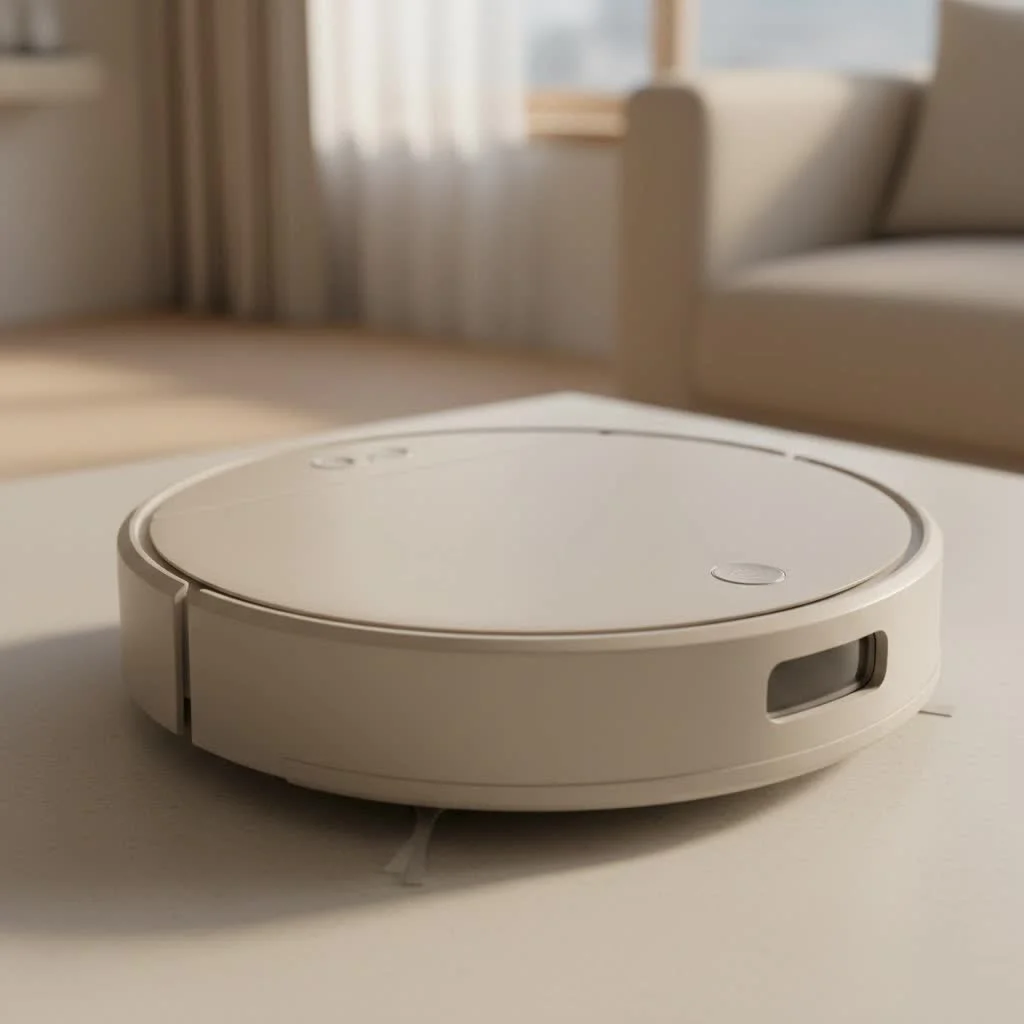
The Brains Behind the Brushes: How Robot Vacuums Work
At its core, a robot vacuum is more than just a fancy dust collector; it’s a miniature, intelligent cleaning machine. Understanding the underlying technology helps you appreciate why some models excel where others fall short.
Navigation and Mapping: The secret sauce of an efficient robot vacuum lies in its ability to navigate your home. Early models relied on simple “bump-and-go” patterns, which often meant missed spots and repetitive cleaning. Modern robots utilize sophisticated mapping technologies:
- LiDAR (Light Detection and Ranging): Creates a precise, real-time map of your home using a laser, allowing for efficient, systematic cleaning paths and multi-floor mapping.
- vSLAM (Visual Simultaneous Localization and Mapping): Uses a camera to visually map the environment, often combined with other sensors. It’s excellent for object recognition and adaptive cleaning.
- Sensors Galore: Beyond mapping, robot vacuums are equipped with cliff sensors (to avoid falls), anti-tangle sensors (for carpets and cords), and dirt detection sensors, which can prompt the vacuum to focus on particularly grimy areas.
Suction and Brush Systems: While navigation gets them around, it’s the suction and brush systems that do the actual cleaning.
- Main Brush: Typically a combination of bristles and rubber fins, designed to agitate dirt from carpets and sweep it into the suction path.
- Side Brushes: Small rotating brushes that sweep debris from edges and corners into the main cleaning path.
- Suction Power: Measured in Pascals (Pa), higher Pa generally means better dirt and debris pickup, especially crucial for pet hair and deep-pile carpets.
Key Features and What Truly Matters for Your Home
Choosing the right robot vacuum isn’t just about raw power; it’s about finding the features that align with your lifestyle and home layout. When evaluating options, here’s what to prioritize:
Mapping & Navigation: Does it learn your home’s layout?
A robot vacuum that can accurately map your home is far more efficient. This allows for features like zone cleaning (telling it to clean only the kitchen), no-go zones (blocking off pet bowls or fragile items), and scheduled cleaning for specific rooms. For a multi-level home, multi-floor mapping is a significant convenience.
Suction Power: How effective is it on different surfaces?
This is paramount. If you have pets, high-pile carpets, or a lot of foot traffic, you’ll want a model with robust suction. Many robot vacuums offer different power modes, allowing you to choose between quiet, energy-saving cleaning and a more powerful deep clean. Always consider models optimized for your floor types.
Battery Life & Charging: Can it cover your entire home?
A longer battery life means the robot can complete larger cleaning jobs without needing to return to its dock mid-cycle. “Run time” is important, but also look at “recharge and resume” features, where the robot charges just enough to finish the job. For spacious homes, this is an indispensable feature.
Self-Emptying Bins: Is convenience your top priority?
This feature is a major upgrade. After each cleaning cycle, the robot automatically empties its internal dustbin into a larger bag or container in its charging dock. This means less frequent manual emptying (sometimes only once a month!) and less exposure to dust and allergens. If you seek ultimate convenience and minimal interaction, this is a must-have.
App Control & Smart Home Integration: How easy is it to manage?
Most modern robot vacuums come with a companion app that offers a many controls: scheduling, setting no-go zones, viewing cleaning maps, adjusting power, and even remote control. Integration with voice assistants like Alexa or Google Assistant adds another layer of hands-free convenience, making your robot vacuum a seamless part of your smart home ecosystem.
Noise Level: Will it disrupt your peace?
Some robot vacuums can be surprisingly noisy, especially on high-power modes. If you work from home, have light sleepers, or simply prefer a quieter environment, check noise ratings. Many models have “quiet modes” for lighter cleaning tasks.
Maintenance & Durability: What’s the long-term commitment?
Like any appliance, robot vacuums require some maintenance. Consider how easy it is to clean the dustbin, brushes, and filters. Models with easily replaceable parts and robust construction tend to offer better long-term value. Good customer support and warranty are also indicators of reliability.
Design & Profile: Can it reach every nook and cranny?
A low-profile design allows the robot to clean under furniture, beds, and other hard-to-reach areas where dust bunnies often gather.
Are Robot Vacuums Worth the Hype? Weighing the Pros and Cons
|
Our Picks for the Best Robot Vacuum in 2026
As an Amazon Associate I earn from qualifying purchases.
|
||
| Num | Product | Action |
|---|---|---|
| 1 | ILIFE V5s Plus Robot Vacuum and Mop Combo with Wi-Fi/App/Alexa, Automatic Self-Charging Robotic Vacuum Cleaner, Slim and Quiet, Cleans Hard Floors Carpets and Pet Hair (V5s Pro Upgrade Version) |

|
| 2 | Tikom Robot Vacuum and Mop Combo, 5000Pa Robotic Vacuum Cleaner, 150 Min Max, App & Remote Control, Ideal for Hard Floor, Carpet, Pet Hair, Self-Charge(G8000 Max) |
|
| 3 | Robot Vacuum and Mop Combo, 11500Pa Suction, 3-in-1 Robotic Vacuum with Smart LiDAR Navigation, 70 Day Self-Emptying,160 Min Runtime,App/Alexa/Voice Control, Ideal for Pet Hair, Carpet & Hard Floor |
|
| 4 | ILIFE A30 Pro Robot Vacuum and Mop, Self Emptying Station for 60 Days, 5000Pa Suction, LiDAR Navigation, No-Go Zones, 2.4G WiFi/App/Alexa/Remote Control, Roller Brush for Carpet, Hard Floors, 110V |
|
| 5 | ILIFE V2 Robot Vacuum Cleaner, Tangle-Free Suction, 120 Mins Runtime, Slim, Self-Charging Robotic Vacuum Cleaner, Ideal for Pet Hair and Hard Floors |
|
| 6 | Robot Vacuum and Mop, 3-in-1 Robotic Vacuum Cleaner with 70-Day Self-Emptying Base, 360° LiDAR Navigation, Smart Mapping & Auto-Return, 6000Pa Strong Suction for Pet Hair, Carpets & Hard Floors |
|
| 7 | Bagotte Robot Vacuum and Mop, Robot Vacuum Self Emptying, 5000Pa Powerful Suction, 90-Day Hands-Free, Advanced Smart Mapping, LiDAR Navigation Robotic Vacuum for Pet Hair, Dust, Carpet, WiFi/App/Alexa |
|
| 8 | Tikom Robot Vacuum and Mop, 6000Pa Robotic Vacuum Cleaner with Self-Emptying Base, 90 Days Capacity, LiDAR Navigation, Home Mapping, Ideal for Pet Hair, Hard Floors, Carpet (L8000 Plus) |
|
| 9 | roborock Q10 S5+ Robot Vacuum and Mop, 10,000Pa Suction, Upgraded from Q8 max+, 70 Days Self-Emptying, Obstacle Avoidance, Sonic Mopping, Dual Anti-Tangle Design, Auto Mop Lifting, Ideal for Pet Hair |
|
| 10 | Robot Vacuum and Mop Combo, 2 in 1 Mopping Robotic Vacuum Cleaner with Schedule, Wi-Fi/App/Remote, Strong Suction, Self-Charging, Slim, Ideal for Hard Floor, Pet Hair, Low-Pile Carpet |
|
The promise of automated cleaning is appealing, but are robot vacuums truly a worthy investment?
The Benefits:
- Time-Saving & Convenience: This is the primary draw. Schedule it and forget it. Your floors get cleaned regularly, freeing up your time for other activities.
- Consistent Cleanliness: Daily or regular cleaning means less dust and fewer allergens accumulating, contributing to a healthier living environment.
- Reaching Tight Spots: Their compact size allows them to navigate under beds, sofas, and other furniture that traditional vacuums might miss.
- Allergy Relief: For allergy sufferers, consistent vacuuming can significantly reduce airborne particles and pet dander.
The Limitations:
- Cost: Quality robot vacuums, especially those with advanced features like self-emptying, represent a significant upfront investment.
- Not a Full Replacement (Yet): While excellent for daily maintenance, most robot vacuums can’t entirely replace a powerful upright or stick vacuum for deep cleaning tasks, stairs, or upholstery.
- Occasional Intervention: They can get stuck on stray cables, thick rugs, or pet messes, requiring human rescue. Pre-tidying is often necessary.
- Performance on Certain Surfaces: Some struggle with very thick carpets, dark floors (which cliff sensors can mistake for drops), or complex obstacle courses.
Keeping Your Autonomous Ally in Top Shape: Maintenance & Troubleshooting
Even the most advanced robot vacuum needs a little love to perform its best. Regular maintenance is crucial for longevity and efficiency.
Routine Care:
- Empty the Dustbin Regularly: Especially for models without self-emptying docks, empty the bin after every few runs to maintain suction power.
- Clean Filters: Tapped or washed filters (depending on type) every few weeks keep airflow optimal and prevent odors.
- Maintain Brushes: Hair and debris often tangle around the main and side brushes. Use the provided cleaning tool (or scissors) to remove them.
- Wipe Sensors: Dirt and dust can obscure sensors, affecting navigation. A quick wipe with a dry cloth keeps them sharp.
Common Troubleshooting Tips:
- Robot Getting Stuck: Clear cables, loose rugs, and small objects from the floor before cleaning. Use virtual walls or no-go zones for persistent problem areas.
- Poor Suction: Check the dustbin, filter, and brushes for clogs. Ensure the suction path is clear.
- Connectivity Issues: Restart both your robot vacuum and your Wi-Fi router. Ensure the robot is within Wi-Fi range.
- Spotty Cleaning: Reset the map if available, or allow the robot to remap your home. Check for sensor obstructions.
The Future is Now (and Even More Automated): Trends in Robot Vacuum Technology
The robot vacuum market is constantly evolving, with manufacturers pushing the boundaries of what these devices can do. Expect to see even more impressive advancements in the coming years:
- Advanced AI Obstacle Avoidance: Moving beyond simple bump sensors, next-gen robots use cameras and AI to identify and intelligently avoid common household obstacles like pet waste, shoes, and power cords, making pre-cleaning less of a chore.
- Integrated Mopping Solutions: Many models already offer a wet-mopping function, but future iterations will likely feature more sophisticated mopping systems, including automatic detergent dispensing, improved pressure, and self-cleaning mop pads.
- Improved Battery Technology: Longer run times, faster charging, and more efficient power management will allow robots to clean larger areas on a single charge.
- Smarter Mapping and Personalization: Expect more granular control over cleaning preferences for individual rooms, intelligent recognition of floor types to adjust cleaning power automatically, and even predictive cleaning based on your habits.
Expert Insights on Choosing Your Next Robot Vacuum
“When diving into the world of robot vacuums, it’s easy to get overwhelmed by specifications,” says Dr. Amelia Reed, a prominent Robotics and Smart Home Technology Analyst. “My advice? Focus on your lifestyle. If you have pets, prioritize suction power and a self-emptying bin. For a multi-story home, reliable multi-floor mapping is a major upgrade. Don’t chase every new feature; instead, identify the core functionalities that will genuinely make your life easier and look for a model with a proven track record in those areas.”
Conclusion
The journey to finding the perfect robot vacuum doesn’t have to be a confusing one. By understanding the core technologies, evaluating features based on your specific needs, and committing to basic maintenance, you can select an automated cleaner that truly enhances your home. Whether you’re a busy professional, a pet owner, or simply someone who loves the idea of coming home to cleaner floors, there’s a robot vacuum out there ready to become your loyal cleaning companion. Embrace the future of effortless home care and let a reliable robot vacuum take the chore out of your daily routine.
Frequently Asked Questions
Are robot vacuums really effective for daily home cleaning?
Yes, modern robot vacuums are highly effective for daily maintenance cleaning, capable of picking up dust, debris, and pet hair. They significantly reduce the need for manual vacuuming, making them a valuable addition to most households.
How often should I run my robot vacuum for optimal cleanliness?
For optimal cleanliness, especially in homes with pets or high traffic, running your robot vacuum daily or every other day is recommended. Many users schedule their robots to clean while they are away from home to maintain consistent floor hygiene.
Can robot vacuums effectively handle pet hair on various floor types?
Many robot vacuums are specifically designed to handle pet hair, often featuring tangle-resistant brushes and strong suction power, measured in Pascals (Pa). Models with self-emptying bins are particularly convenient for pet owners as they minimize contact with pet dander and allergens.
What is the main difference between LiDAR and vSLAM navigation in robot vacuums?
LiDAR (Light Detection and Ranging) uses laser mapping to create accurate, systematic cleaning paths, often excelling in low light conditions. vSLAM (Visual Simultaneous Localization and Mapping) uses a camera and visual cues for navigation, which can be great for object recognition but might struggle in very dark environments. Both are effective, but LiDAR is often considered more precise for mapping.
How long can I expect a good quality robot vacuum to last?
With proper maintenance, a good quality robot vacuum can last anywhere from 3 to 5 years, or even longer. Battery life is often the first component to degrade, but most can be replaced. Regular cleaning of brushes and filters significantly extends the overall lifespan of the device.
Smart home that does not lock you in
Free PDF — protocol compatibility matrix for 30 hubs and devices.
I got a robot vacuum primarily for the app control feature, which is super handy. However, I found that it doesn’t quite replace my traditional upright vacuum for deep cleaning, especially on my thicker rugs. It’s good for daily dust, but I still need to pull out the big vacuum once a week. It’s okay, but not a total game-changer for me.
I love how my robot vacuum picks up all the dust and debris every day. It’s incredible how much less manual vacuuming I have to do now. The fact that it can handle routine tasks so well means my home always feels fresh. It’s definitely a smart home essential for anyone with a busy schedule.
This guide really helped me understand the different suction levels. I went with a model that had a higher Pascal rating because of my two shedding dogs, and it handles the pet hair like a champ. The only minor complaint is that the self-emptying bin fills up a bit faster than I expected, but it’s still a huge convenience.
I was hesitant about getting a robot vacuum, but after reading about the advanced navigation systems like LiDAR, I decided to try one. It’s amazing how it maps out my living room and avoids obstacles. My floors have never been cleaner, and I barely have to lift a finger. Definitely worth the investment for daily maintenance.