The best rated robot vacuums offer unparalleled convenience, transforming daily floor cleaning into an effortless task for busy families and pet owners. These sophisticated devices utilize advanced sensors, intelligent navigation, and powerful cleaning mechanisms to autonomously maintain impeccably clean floors, often integrating mopping capabilities and self-emptying docks for a truly hands-off experience.
Understanding the Magic: How Robot Vacuums Work Their Wonders
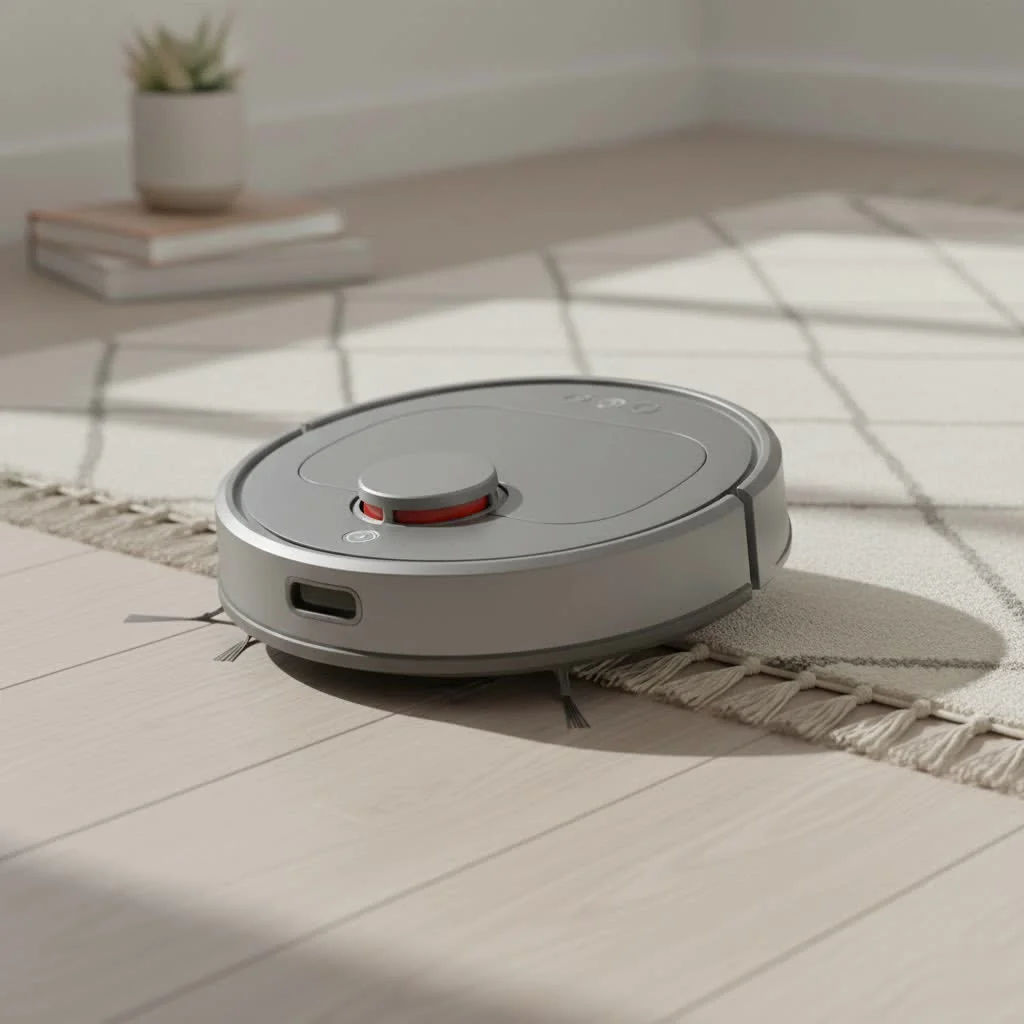
At its core, a robot vacuum is an autonomous cleaning device designed to navigate and clean your floors with minimal human intervention. But how do these disk-shaped marvels actually work? It all boils down to a blend of advanced sensors, intelligent navigation, and powerful cleaning mechanisms.
Sensors and Smart Navigation: The Brains Behind the Clean
The most highly rated robot vacuums today don’t just randomly bump around your home. They use sophisticated technology like LiDAR (Light Detection and Ranging) sensors, cameras, and even AI vision to create precise, detailed maps of your living space. Think of it like a tiny architect meticulously planning its route. This allows the robot to understand its environment, avoid obstacles like furniture, toys, and even pet waste, and ensure thorough coverage without missing a spot or repeating areas it’s already cleaned. Some advanced models can even create 3D maps, offering superior object recognition and greater precision in navigating complex layouts.
The Cleaning Powerhouse: Suction and Brushes
Once the robot knows where it’s going, it gets down to business. Robot vacuums rely on a combination of rotating brushes and powerful suction to collect dirt and debris. Side brushes sweep dust and particles from edges and corners into the main cleaning path, where a central brush roll (often designed to resist hair tangles) agitates carpets and captures debris. This is then sucked into the onboard dustbin. The best rated robot vacuums boast strong suction power, with some premium models reaching upwards of 20,000Pa, ensuring they can tackle everything from fine dust to larger crumbs and pet hair on various floor types.
Beyond Vacuuming: The Rise of Robot Mops
Many of today’s top-rated robot vacuums are more than just vacuums; they’re hybrid cleaning machines that can also mop your floors. These 2-in-1 devices typically feature an integrated water tank and a mop pad (or even dual spinning mop pads or roller mops) that can wet-clean hard surfaces. Advanced models take this a step further with features like automatic mop lifting to avoid wetting carpets, self-washing and self-drying mop pads at the docking station, and even intelligent dirt detection to apply extra scrubbing where needed. This means a truly comprehensive clean, leaving your hard floors sparkling.
Key Features That Make a Robot Vacuum Shine
When looking for the best rated robot vacuum, you’ll encounter a range of features designed to enhance convenience and performance. Knowing what to prioritize can make all the difference.
Mapping and Obstacle Avoidance: The Brains Behind the Clean
|
Our Picks for the Best Robot Vacuum in 2026
As an Amazon Associate I earn from qualifying purchases.
|
||
| Num | Product | Action |
|---|---|---|
| 1 | Bagotte Robot Vacuum and Mop, Robot Vacuum Self Emptying, 5000Pa Powerful Suction, 90-Day Hands-Free, Advanced Smart Mapping, LiDAR Navigation Robotic Vacuum for Pet Hair, Dust, Carpet, WiFi/App/Alexa |

|
| 2 | ILIFE A30 Pro Robot Vacuum and Mop, Self Emptying Station for 60 Days, 5000Pa Suction, LiDAR Navigation, No-Go Zones, 2.4G WiFi/App/Alexa/Remote Control, Roller Brush for Carpet, Hard Floors, 110V |
|
| 3 | Robot Vacuum and Mop Combo, 11500Pa Suction, 3-in-1 Robotic Vacuum with Smart LiDAR Navigation, 70 Day Self-Emptying,160 Min Runtime,App/Alexa/Voice Control, Ideal for Pet Hair, Carpet & Hard Floor |
|
| 4 | ILIFE V5s Plus Robot Vacuum and Mop Combo with Wi-Fi/App/Alexa, Automatic Self-Charging Robotic Vacuum Cleaner, Slim and Quiet, Cleans Hard Floors Carpets and Pet Hair (V5s Pro Upgrade Version) |
|
| 5 | roborock Q10 S5+ Robot Vacuum and Mop, 10,000Pa Suction, Upgraded from Q8 max+, 70 Days Self-Emptying, Obstacle Avoidance, Sonic Mopping, Dual Anti-Tangle Design, Auto Mop Lifting, Ideal for Pet Hair |
|
| 6 | Tikom Robot Vacuum and Mop Combo, 5000Pa Robotic Vacuum Cleaner, 150 Min Max, App & Remote Control, Ideal for Hard Floor, Carpet, Pet Hair, Self-Charge(G8000 Max) |
|
| 7 | ILIFE V2 Robot Vacuum Cleaner, Tangle-Free Suction, 120 Mins Runtime, Slim, Self-Charging Robotic Vacuum Cleaner, Ideal for Pet Hair and Hard Floors |
|
| 8 | Tikom Robot Vacuum and Mop, 6000Pa Robotic Vacuum Cleaner with Self-Emptying Base, 90 Days Capacity, LiDAR Navigation, Home Mapping, Ideal for Pet Hair, Hard Floors, Carpet (L8000 Plus) |
|
| 9 | Robot Vacuum and Mop, 3-in-1 Robotic Vacuum Cleaner with 70-Day Self-Emptying Base, 360° LiDAR Navigation, Smart Mapping & Auto-Return, 6000Pa Strong Suction for Pet Hair, Carpets & Hard Floors |
|
| 10 | Robot Vacuum and Mop Combo, 2 in 1 Mopping Robotic Vacuum Cleaner with Schedule, Wi-Fi/App/Remote, Strong Suction, Self-Charging, Slim, Ideal for Hard Floor, Pet Hair, Low-Pile Carpet |
|
High-quality mapping is crucial for efficiency. Robots with advanced mapping can learn your home’s layout, allowing you to set virtual “no-go zones” (areas you want the robot to avoid) or “no-mop zones” for carpeted areas. Superior obstacle avoidance, often powered by AI, means less worry about your robot getting stuck on power cords or scattering pet toys. “I’ve seen firsthand how impressive modern obstacle avoidance has become,” says Clara Jenkins, a smart home technology expert. “It saves so much hassle compared to older models that would constantly get tangled or stranded.”
Self-Emptying Docks: A True Hands-Off Experience
One of the most sought-after features in a high-end robot vacuum is a self-emptying dock. After each cleaning session, the robot automatically returns to its base and empties its internal dustbin into a larger bag or canister in the dock. This can mean weeks, or even months, without having to manually empty the robot, providing a truly hands-off cleaning experience. These docks significantly reduce daily maintenance, especially beneficial for homes with pets where dustbins can fill up quickly.
Battery Life and “Recharge & Resume”: Cleaning Your Entire Home
Longer battery life is essential for larger homes or multi-room layouts. Many premium robot vacuums offer runtimes of 180 to 240 minutes on a single charge. Even if the battery runs low mid-job, the “recharge and resume” feature allows the robot to return to its dock, recharge, and then pick up precisely where it left off, ensuring your entire home gets cleaned without interruption.
Smart Home Integration and App Control: Command Your Clean
Modern robot vacuums are designed to integrate seamlessly into your smart home ecosystem. Most come with intuitive companion apps that allow you to schedule cleanings, create custom maps, adjust suction power, and monitor cleaning progress from anywhere. Voice control compatibility with assistants like Amazon Alexa or Google Home adds another layer of convenience, letting you start or stop cleaning with simple voice commands.
Designed for Your Home: Low Profile and Threshold Climbing
The physical design of a robot vacuum also plays a role in its effectiveness. Many models feature a low-profile design, allowing them to effortlessly glide under furniture like sofas and beds, reaching dust and dirt that traditional vacuums often miss. Some innovative robots, like the Dreame X50 Ultra Complete, even include retractable pucks or tiny legs that help them hoist themselves over taller room thresholds, expanding their cleaning reach across different floor levels.
Finding Your Perfect Match: What to Consider When Choosing a Best Rated Robot Vacuum
With so many excellent options, how do you choose the best rated robot vacuum for your home? It’s all about matching features to your specific lifestyle and cleaning needs.
Floor Types and Pet Hair
If you have a mix of hard floors and carpets, look for a model with adaptive cleaning features that can automatically adjust suction power and lift mop pads when transitioning between surfaces. For pet owners, high suction power (6,000Pa or more is recommended) and anti-tangle brush designs are crucial to effectively manage pet hair and prevent clogs. Models with larger dustbins or self-emptying docks are also a lifesaver when dealing with furry friends.
Budget vs. Features: Finding the Sweet Spot
Robot vacuum pricing varies significantly, from budget-friendly options under $500 to premium models exceeding $1000. While cheaper models offer basic vacuuming and navigation, higher price points unlock advanced features like sophisticated mapping, mopping capabilities, and comprehensive self-maintenance docks. Consider your priorities: do you need a truly hands-off experience, or is daily upkeep sufficient? You don’t always need the most expensive model to get a great clean; often, models a year or two old offer excellent value with minimal sacrifices in performance.
Noise Levels and Aesthetics
While not always a top priority, noise levels can impact your daily life, especially if you plan to run your robot vacuum frequently or while you’re home. Many top models pride themselves on quiet operation. Consider the robot’s design and the size of its dock, particularly if it will be in a visible area of your home. Some multi-functional docks can be quite large.
Keeping Your Robo-Friend Happy: Essential Robot Vacuum Maintenance Tips
Even the best rated robot vacuums need a little tender loving care to maintain peak performance and extend their lifespan. Regular maintenance prevents issues like reduced suction, erratic movement, and even costly repairs.
Daily & Weekly Habits: Dustbin, Brushes, Sensors
- Empty the Dustbin: If your robot doesn’t have a self-emptying dock, empty its dustbin after every run. An overstuffed bin reduces suction and can spread debris. Even with self-emptying docks, check them every few weeks, especially with pets.
- Clean Mop Pads: For hybrid models without self-washing docks, clean mop pads manually after each use with warm water and mild soap, letting them air dry completely.
- Check and Clean Brushes: Weekly, remove hair and debris tangled around the main and side brushes. Hair wraps can hinder rotation and damage motors.
- Tap Out Filters: Remove and tap the filter weekly inside a trash can to dislodge loose dust. This maintains airflow and suction power.
Monthly & Quarterly Care: Filters, Wheels, Deep Cleaning
- Wipe Sensors: Monthly, gently wipe all sensors (front, back, sides, bottom, top) with a dry or slightly damp microfiber cloth to ensure accurate navigation and prevent it from getting “lost”. Avoid soaps or solvents.
- Inspect Wheels and Wheel Wells: Check wheels for trapped hair or dirt monthly to ensure smooth movement and prevent motor strain.
- Wash/Replace Filters: Washable filters should be cleaned every 1-3 months and allowed to dry completely. Disposable filters need replacement every 2-6 months, depending on usage and manufacturer recommendations.
- Clean Water Tanks/Mop Trays: Rinse removable water tanks and mop-washing trays monthly to prevent mildew, odors, and grime buildup.
Battery Health: Ensuring Longevity
Proper battery care is vital. Use only the manufacturer-provided charger, avoid overcharging, and keep the battery cool and dry. For long-term storage, ensure the battery has about a 50% charge. “Treat your robot vacuum’s battery like any other high-tech gadget,” advises expert Clara Jenkins. “Consistent charging habits and avoiding complete drains will significantly extend its life.”
The Future is Now: What’s Next for Robot Vacuum Technology
The robot vacuum industry is rapidly evolving, promising even more intelligent and autonomous cleaning experiences. We’re on the cusp of a future where these devices become true home assistants.
Smarter AI and Adaptive Cleaning
Future robot vacuums will leverage even more advanced AI and machine learning to become truly adaptive. They’ll be able to identify different floor types, furniture layouts, and even detect specific dirt types, automatically adjusting their cleaning intensity and methods. Imagine a robot that knows the difference between a spilled cereal and a mud track, and cleans accordingly. Predictive maintenance will also become standard, with robots alerting you to potential issues before they impact performance.
Multifunctional Integration: Beyond Just Floors
Expect robot vacuums to integrate more functions beyond just vacuuming and mopping. Future models could include air purification, sterilization (perhaps with UV light), and even home monitoring capabilities, transforming them into comprehensive health and hygiene hubs for your home. This “all-in-one” functionality will cater to diverse needs, making them indispensable.
True Autonomy: Self-Maintaining Robots
The dream of a fully self-sufficient cleaner is becoming a reality. Future robot vacuums will not only clean your floors but also handle their own maintenance, from self-cleaning brushes to automatic disposal of collected debris and complete mop pad washing and drying systems with detergent refills. This level of autonomy means minimal human interaction, truly freeing up your time.
Enhanced Mobility: Conquering Stairs
One of the biggest limitations of current robot vacuums is their inability to navigate stairs. However, advancements in sensors and AI are paving the way for future models that can detect and climb stairs, seamlessly transitioning between multiple floors in your home without any effort from you.
Why a Best Rated Robot Vacuum is a Smart Investment for Your Home
Investing in a best rated robot vacuum is more than just buying an appliance; it’s investing in convenience, efficiency, and a consistently cleaner home. These devices take the burden of daily floor cleaning off your shoulders, allowing you to focus on what truly matters. From their intelligent navigation and powerful cleaning to advanced self-maintenance features and seamless smart home integration, the top-tier robot vacuums offer a level of hands-off cleaning that was once the stuff of science fiction. They are designed to be reliable, easy to use, and a valuable addition to any modern household, enhancing your quality of life one spotless floor at a time.
FAQ
What is the most important feature in a robot vacuum?
While features vary, excellent navigation and mapping capabilities are paramount. A robot that can efficiently map your home and avoid obstacles will provide a thorough and reliable clean, making all other features more effective.
How often should I run my robot vacuum?
For general upkeep and to stay on top of daily dust and pet hair, running your robot vacuum daily or every other day is ideal. Many users find this frequency keeps their homes consistently tidy between deeper manual cleans.
Can robot vacuums truly replace an upright vacuum?
Realistically, no. Robot vacuums excel at maintaining cleanliness between deep cleans, but they typically can’t match the raw suction power of a traditional upright vacuum for thick carpets or handle tasks like stairs and upholstery. They are best seen as a complementary tool.
Are robot vacuums good for pet hair?
Yes, many robot vacuums are excellent at managing pet hair, especially models with higher suction power (6,000Pa+) and specialized anti-tangle brush designs. Running them daily helps prevent pet hair from accumulating.
How do I protect my robot vacuum from getting stuck?
Before running your robot, take a few minutes to “robot-proof” your home: pick up loose items like charging cables, clothes, and small toys. For models without advanced obstacle avoidance, defining virtual “no-go zones” in the app can also help prevent it from getting stuck in problem areas.
Maintain Your Robot Vacuum for Peak Performance
Regular maintenance is crucial for extending the lifespan and ensuring the peak performance of your robot vacuum. Follow these steps to keep your device running efficiently.
Empty the robot's dustbin after every run if it lacks a self-emptying dock; check self-emptying docks every few weeks. For hybrid models, manually clean mop pads with warm water and mild soap after each use, allowing them to air dry completely.
Weekly, remove tangled hair and debris from the main and side brushes to prevent motor damage. Also, remove the filter and tap it inside a trash can to dislodge loose dust, which helps maintain optimal airflow and suction power.
Monthly, gently wipe all sensors (front, back, sides, bottom, top) with a dry or slightly damp microfiber cloth to ensure accurate navigation. Additionally, inspect the wheels and wheel wells for trapped hair or dirt to ensure smooth movement and prevent motor strain.
Washable filters should be cleaned every 1-3 months and allowed to dry completely before reinstallation. Disposable filters require replacement every 2-6 months based on usage. Rinse removable water tanks and mop-washing trays monthly to prevent mildew and odors.
Always use the manufacturer-provided charger, avoid overcharging, and keep the battery in a cool, dry place. For long-term storage, ensure the battery has approximately a 50% charge to maximize its lifespan and maintain health.
Smart home that does not lock you in
Free PDF — protocol compatibility matrix for 30 hubs and devices.
I’ve been using a robot vacuum with mopping capabilities for a few weeks now, and I’m really impressed. It handles both vacuuming and mopping my kitchen and living room floors beautifully. The advanced sensors help it get into tight spots without bumping into everything. Definitely a good investment for busy families.
The convenience of these devices is truly unparalleled. I love that I can set it and forget it, and my floors are always clean. The powerful cleaning mechanisms really do a thorough job, even on my carpets. It’s made such a difference in keeping my home tidy with minimal effort on my part.
My new robot vacuum does a decent job on my hardwood floors, and the intelligent navigation is pretty good at avoiding obstacles. However, I wish the battery life was a bit longer. It sometimes needs to recharge before it can finish my whole downstairs, which is a minor inconvenience.
I was skeptical about robot vacuums for a while, but after reading about the self-emptying docks, I decided to take the plunge. It’s been a game-changer! As a pet owner, the amount of fur my new robot picks up is incredible, and I barely have to think about it. It really does make daily cleaning effortless.