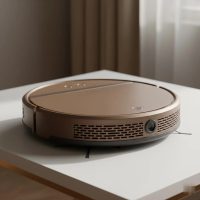
Imagine a world where the never-ending task of keeping your floors pristine simply fades into the background. That’s the promise of the automatic vacuum robot, a game-changer that has transformed how we approach household chores. No longer a futuristic fantasy, these clever devices are now staples in homes worldwide, diligently working to keep spaces spotless with minimal human intervention. If you’ve been wondering how these silent helpers operate, what they can truly do, or whether one belongs in your home, you’re in the right place. This comprehensive guide will dive deep into the fascinating world of automatic vacuum robots, covering everything from their intricate technology and must-have features to their benefits, limitations, essential maintenance, and a peek into what the future holds for this rapidly evolving technology.
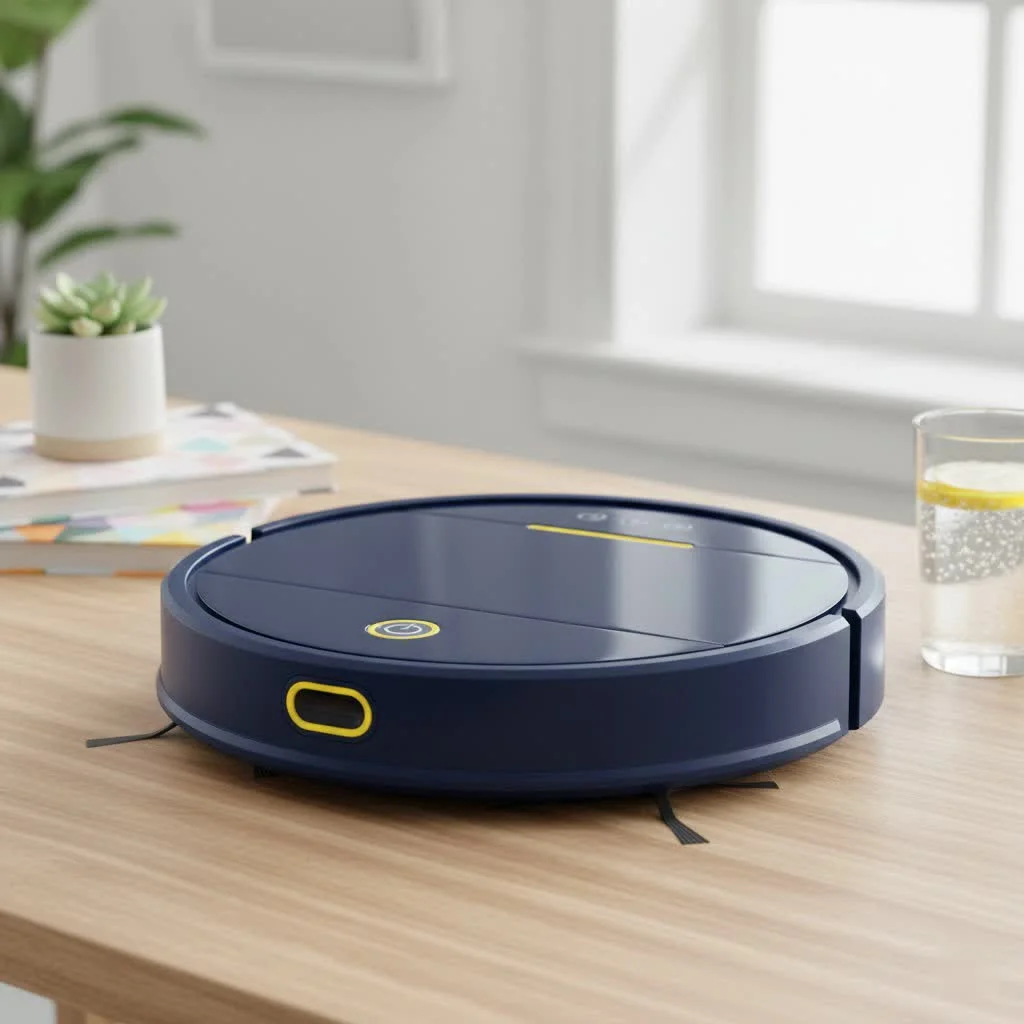
How Automatic Vacuum Robots Conquer Clutter
Gone are the days when robot vacuums merely bumped around aimlessly. Today’s automatic vacuum robots are packed with sophisticated sensors and AI software, making them incredibly clever at navigating your home and tackling dirt and debris. For expert robot vacuums reviews on this site.
The Brains Behind the Brushes: Navigation and Sensors
At the heart of every modern automatic vacuum robot is a sophisticated navigation system that allows it to understand and map its environment. Think of it as a tiny, highly intelligent explorer for your floors.
- LiDAR (Light Detection and Ranging): Many high-end models use LiDAR, a technology also found in self-driving cars. It bounces invisible light beams off walls and objects, creating a detailed 3D map of your home. This allows the robot to “see” in the dark and plan efficient routes.
- VSLAM (Visual Simultaneous Localization and Mapping): Some robots integrate cameras to process visual images, giving them a rich understanding of their surroundings and precisely tracking their location as they clean.
- Ultrasonic ToF (Time of Flight) Sensors: These work much like a bat’s echolocation, emitting ultrasonic waves to measure distances and detect obstacles or even changes in floor surface, like transitioning from hardwood to carpet.
- Infrared and Cliff Sensors: Infrared sensors help the robot detect obstacles and prevent collisions, while crucial cliff sensors are positioned underneath to stop the robot from tumbling down stairs or off ledges.
- Accelerometers and Wheel Sensors: These components help the robot track its own motion, identify if its wheels are tangled, and precisely calculate the distances it has traveled and turns it has made.
All this raw data is fed into the robot’s AI software, which processes it to determine its exact location, build and continually update detailed maps of your rooms, and devise the most efficient cleaning paths. This ensures comprehensive coverage and allows the robot to remember where it’s been and where it needs to go, including finding its way back to its charging station.
The Art of the Clean: Suction and Brushing Mechanisms
|
Our Picks for the Best Robot Vacuum in 2026
As an Amazon Associate I earn from qualifying purchases.
|
||
| Num | Product | Action |
|---|---|---|
| 1 | ILIFE A30 Pro Robot Vacuum and Mop, Self Emptying Station for 60 Days, 5000Pa Suction, LiDAR Navigation, No-Go Zones, 2.4G WiFi/App/Alexa/Remote Control, Roller Brush for Carpet, Hard Floors, 110V |

|
| 2 | roborock Q10 S5+ Robot Vacuum and Mop, 10,000Pa Suction, Upgraded from Q8 max+, 70 Days Self-Emptying, Obstacle Avoidance, Sonic Mopping, Dual Anti-Tangle Design, Auto Mop Lifting, Ideal for Pet Hair |
|
| 3 | Tikom Robot Vacuum and Mop Combo, 5000Pa Robotic Vacuum Cleaner, 150 Min Max, App & Remote Control, Ideal for Hard Floor, Carpet, Pet Hair, Self-Charge(G8000 Max) |
|
| 4 | ILIFE V2 Robot Vacuum Cleaner, Tangle-Free Suction, 120 Mins Runtime, Slim, Self-Charging Robotic Vacuum Cleaner, Ideal for Pet Hair and Hard Floors |
|
| 5 | Tikom Robot Vacuum and Mop, 6000Pa Robotic Vacuum Cleaner with Self-Emptying Base, 90 Days Capacity, LiDAR Navigation, Home Mapping, Ideal for Pet Hair, Hard Floors, Carpet (L8000 Plus) |
|
| 6 | Robot Vacuum and Mop, 3-in-1 Robotic Vacuum Cleaner with 70-Day Self-Emptying Base, 360° LiDAR Navigation, Smart Mapping & Auto-Return, 6000Pa Strong Suction for Pet Hair, Carpets & Hard Floors |
|
| 7 | Bagotte Robot Vacuum and Mop, Robot Vacuum Self Emptying, 5000Pa Powerful Suction, 90-Day Hands-Free, Advanced Smart Mapping, LiDAR Navigation Robotic Vacuum for Pet Hair, Dust, Carpet, WiFi/App/Alexa |
|
| 8 | Robot Vacuum and Mop Combo, 11500Pa Suction, 3-in-1 Robotic Vacuum with Smart LiDAR Navigation, 70 Day Self-Emptying,160 Min Runtime,App/Alexa/Voice Control, Ideal for Pet Hair, Carpet & Hard Floor |
|
| 9 | Robot Vacuum and Mop Combo, 2 in 1 Mopping Robotic Vacuum Cleaner with Schedule, Wi-Fi/App/Remote, Strong Suction, Self-Charging, Slim, Ideal for Hard Floor, Pet Hair, Low-Pile Carpet |
|
| 10 | ILIFE V5s Plus Robot Vacuum and Mop Combo with Wi-Fi/App/Alexa, Automatic Self-Charging Robotic Vacuum Cleaner, Slim and Quiet, Cleans Hard Floors Carpets and Pet Hair (V5s Pro Upgrade Version) |
|
Once a robot vacuum knows where to go, how does it actually clean? It’s a combination of clever mechanical design and powerful suction.
- Side Brushes: These small, rotating brushes extend from the robot’s sides, sweeping dirt, dust, and debris from edges, corners, and along baseboards into the path of the main cleaning mechanism.
- Main Brush or Roller: Positioned beneath the robot, this primary brush roll (which can be bristled, rubber, or a combination) agitates the floor surface, dislodging embedded dirt from carpets and sweeping loose debris from hard floors.
- Suction Mechanism: An electric motor generates strong airflow, sucking up the loosened dirt and debris from the brushes into a removable dustbin. The suction power varies significantly between models, with some high-performance units boasting impressive figures of up to 20,000Pa for a truly deep clean.
- Mopping Capabilities: Many advanced automatic vacuum robots are now hybrids, offering both vacuuming and mopping functions. These models typically feature an onboard water tank and specialized mop pads (which might be vibrating, pressurized, or spinning) to effectively remove fine dust and stubborn stains, leaving floors sparkling. Some even intelligently lift their mop pads when detecting carpet, preventing wet floors where they shouldn’t be.
Key Features to Consider for Your Smart Cleaning Companion
Choosing the right automatic vacuum robot can feel overwhelming with the array of options available. Focusing on these key features will help you find a model that perfectly fits your home and lifestyle.
- Advanced Navigation & Mapping: Look for robots with precise 3D mapping capabilities. The ability to save multiple floor plans is a boon for multi-story homes, allowing the robot to know which level it’s on. Features like virtual no-go zones and virtual barriers are essential for defining areas to avoid (like a pet’s food bowls or a child’s play area), while targeted room cleaning lets you send the robot to specific messy spots.
- Intelligent Obstacle Avoidance: Modern automatic vacuum robots go beyond simply bumping into things. Advanced AI and sensor suites allow them to identify and actively navigate around common household clutter such as charging cables, stray socks, small toys, and even pet waste, minimizing interruptions and reducing the need for you to “prep” the room beforehand.
- Adaptive Cleaning Performance: A truly smart cleaner adjusts its approach to the mess. Opt for models that can automatically detect different floor types—be it hardwood, tile, or carpet—and modify their suction power and cleaning patterns accordingly. Intelligent dirt detection is another fantastic feature, enabling the robot to focus extra power and repeat passes on particularly dirty areas.
- Self-Maintenance Capabilities: This is where convenience truly shines. High-end automatic vacuum robots come with sophisticated multi-functional docking stations that perform tasks like automatically emptying the robot’s dustbin into a larger sealed bag, refilling its water tank, and even washing and hot-air drying its mop pads. Some advanced models can even manage autonomous operation for up to 60 days before you need to interact with them, making cleaning almost entirely hands-off.
- Smart Home Integration & Control: Seamless integration with your smart home ecosystem is a major benefit. Look for compatibility with smartphone apps that offer remote control, custom scheduling, and real-time monitoring of cleaning progress. Voice assistants like Amazon Alexa, Google Assistant, and Apple Siri provide an even more hands-free experience, allowing you to start, stop, or direct your robot with simple voice commands.
- Design & Accessibility: A slim profile is crucial for robots to glide effortlessly under low-lying furniture like sofas and beds, reaching dust bunnies that often escape traditional cleaning. Some newer models also feature improved threshold climbing, allowing them to navigate seamlessly between rooms with small height differences.
The Good, The Bad, and The Tidy: Pros and Cons of Automatic Vacuum Robots
While automatic vacuum robots offer incredible convenience, it’s important to understand both their advantages and their limitations to determine if one is the right fit for your home.
Why You’ll Love Having One
- Hands-Free Convenience: This is undoubtedly the biggest selling point. Automatic vacuum robots take a significant chore off your plate, freeing up your valuable time for work, hobbies, or simply relaxing. You can truly “set it and forget it.”
- Consistent Cleanliness: By running daily or on a set schedule, these robots keep your floors consistently tidy, preventing the buildup of dirt, dust, and pet hair that often accumulates between traditional cleaning sessions.
- Reaching Hidden Spots: Their compact and often low-profile design allows them to easily scoot under beds, couches, and other furniture where upright vacuums struggle to reach, ensuring a more thorough clean of those often-forgotten areas.
- Smart Features for a Modern Home: With advanced navigation, customizable cleaning modes, and integration with smart home systems, these robots offer a level of control and personalization that enhances the overall smart home experience.
Realities to Consider
- Initial Investment: Automatic vacuum robots, especially those equipped with the latest AI and self-maintenance features, typically have a higher upfront cost compared to conventional vacuums. However, the long-term benefits often justify this initial expense.
- Maintenance Requirements: While they are autonomous cleaners, they still require regular attention. Dustbins need frequent emptying (unless you have an auto-empty dock), and brushes, filters, and sensors need periodic cleaning to maintain optimal performance and prevent clogs.
- Physical Limitations: A common critique is their inability to climb stairs, meaning you’ll need a separate device or manual effort for multi-level homes. They can also sometimes struggle with very uneven floors or extremely tight, complex spaces that are difficult to navigate. They are primarily floor cleaners and cannot reach elevated surfaces like bookshelves or countertops.
- Deep Cleaning Power: While excellent for daily maintenance, robot vacuums generally don’t offer the same deep-cleaning suction power as full-sized upright or canister vacuums, particularly on thick, plush carpets. You might still need a traditional vacuum for occasional deep cleans.
- Potential for Getting Stuck: Despite sophisticated obstacle avoidance, cords, small toys, or thick rug tassels can occasionally ensnare even the smartest robots, requiring a rescue mission.
- Noise and Battery Life: Depending on the model and suction setting, robot vacuums can still be noticeably noisy. Additionally, while battery life has improved significantly, very large homes might require mid-session recharging, temporarily disrupting the cleaning schedule.
Keeping Your Robot Running Smoothly: Essential Maintenance Tips
Just like any hardworking assistant, your automatic vacuum robot needs a little care and attention to keep it performing at its best. Regular maintenance is key to maximizing its efficiency and extending its lifespan.
- After Every Use (or as Needed):
- Empty the Dustbin: If your robot doesn’t feature a self-emptying dock, make sure to empty its dustbin after each cleaning cycle. An overstuffed bin significantly reduces suction power and can lead to dirt being redistributed rather than collected.
- Clean Mop Pads: For robots with mopping capabilities, wash the mop pads immediately after use. Warm water and a mild dish soap are usually sufficient. Always let them air dry completely before reattaching to prevent mildew and ensure effective cleaning next time.
- Weekly Checklist:
- Clean and Detangle Brushes: Pet hair and long human hair can quickly tangle around the main brush and side brushes. Gently remove any wrapped hair or debris. This not only improves cleaning effectiveness but also prevents strain on the robot’s motors.
- Filter Cleaning: Remove the robot’s filter and gently tap out any accumulated dust and debris into a trash can. A clogged filter severely restricts airflow, weakening suction. If your filter is washable, rinse it under lukewarm water (check your manual first!) and ensure it’s completely dry before reinstalling. Disposable filters should never be washed.
- Wipe Sensors and Charging Contacts: Use a dry or slightly damp microfiber cloth to gently wipe all sensors (those on the front, sides, top, and bottom) as well as the charging contacts on both the robot and its dock. Dust and grime can interfere with navigation and charging, leading to errors or missed docking attempts.
- Check Water Tanks: For mopping robots, rinse and air-dry any removable water tanks to prevent mildew and odors from developing.
- Monthly / Bi-Monthly Tasks:
- Inspect Wheels and Wheel Wells: Turn your robot over and check its wheels and wheel wells. Hair and dirt can accumulate, reducing traction and forcing the motors to work harder. Remove any obstructions to ensure smooth movement.
- Replace Parts Periodically:
- Filters, Mop Pads, and Brushes: These components are consumables and will wear out over time. Your robot’s companion app usually tracks their usage and will alert you when they’re nearing the end of their lifespan. Replace disposable filters and mop pads every few months (typically 2-6 months for filters, more frequently for pads with heavy use). Replace worn main and side brushes to maintain optimal cleaning performance. Always refer to your manufacturer’s specific guidelines for replacement schedules.
- Dock Maintenance (for models with auto-empty stations):
- Empty/Replace Dock Dustbin/Bag: If your dock collects debris in a larger bin or bag, empty or replace it every few weeks or months, depending on your household’s needs.
- Clear the Dock Air Path: Occasionally check the channel where the robot empties into the dock for any clogs, especially if you notice the robot’s dustbin isn’t emptying completely.
- Clean Mop-Washing Tray: For docks with mop-washing capabilities, wipe or rinse the washing tray monthly to prevent grime buildup from dirty water. Many designs feature removable trays for easier cleaning in a sink.
Regular care ensures your automatic vacuum robot remains a reliable and efficient part of your home cleaning routine, saving you time and effort for years to come.
The Road Ahead: The Future of Automatic Vacuum Robot Technology
The automatic vacuum robot market is a hotbed of innovation, continually evolving to bring even smarter and more autonomous cleaning solutions into our homes. What was once science fiction is rapidly becoming everyday reality.
- Hyper-Intelligent AI and Machine Learning: The next generation of robots will feature AI that is more sophisticated than ever. They will better understand complex home environments, not just mapping rooms but recognizing specific types of dirt and dynamically adjusting cleaning strategies in real-time with unprecedented precision. Expect robots to learn from every cleaning session, offering predictive maintenance suggestions and even highly personalized cleaning routines tailored to your lifestyle. “The integration of AI is transforming these devices into truly intuitive home partners, learning and adapting to our unique living spaces,” says Dr. Elena Petrova, a leading robotics engineer.
- Advanced Sensors and Navigation: We can anticipate the widespread adoption of advanced sensory systems like more refined 3D vision and Time-of-Flight (ToF) sensors. These will lead to incredibly accurate obstacle recognition, allowing robots to navigate around even the smallest items like charging cables or pet toys without getting stuck. The long-awaited ability to climb stairs and seamlessly move between multiple floors autonomously is also on the horizon, with companies actively developing and patenting these groundbreaking capabilities.
- Multifunctional Integration Beyond Cleaning: Future automatic vacuum robots are poised to become true multi-taskers. Beyond just vacuuming and mopping, they may integrate features like air purification, UV sterilization to kill germs, fragrance release to freshen rooms, and even basic home monitoring capabilities. Imagine a single device that not only cleans your floors but also ensures healthier air and offers an extra layer of home security.
- Increased Autonomy and Self-Sufficiency: The dream of a completely hands-free cleaner is closer than ever. Future robots won’t just self-empty dustbins and clean mop pads; they might also perform more advanced self-maintenance, such as detecting when brushes are worn or need deeper cleaning and carrying out the tasks themselves, significantly reducing the need for human intervention.
- Seamless Smart Home Integration: As smart homes become more interconnected, robot vacuums will integrate even more deeply into these ecosystems. They’ll synchronize with other smart devices, perhaps starting a cleaning cycle automatically when your smart thermostat senses no one is home, or coordinating with air purifiers for optimal dust and allergen removal. Voice control will also become incredibly sophisticated, understanding multi-turn conversations and complex commands with ease.
Frequently Asked Questions
Are automatic vacuum robots worth the investment?
For many households, absolutely. While the initial cost can be higher than traditional vacuums, the convenience of hands-free daily cleaning, the time saved, and the ability to maintain consistently clean floors make them a valuable addition to modern life. They free you from a tedious chore, offering a tangible return on investment in time and peace of mind.
Can an automatic vacuum robot completely replace a traditional vacuum?
Not entirely. Automatic vacuum robots are superb for daily maintenance and surface cleaning, excelling on hard floors and low-pile carpets. However, traditional vacuums generally offer stronger suction for deep cleaning thick carpets and are better suited for specific tasks like cleaning stairs, upholstery, or elevated surfaces that robots cannot reach. Most homes find a robot vacuum an excellent complement to a traditional one.
How often should I clean my robot vacuum?
Maintenance frequency depends on usage and features. Daily tasks include emptying the dustbin and cleaning mop pads (unless your robot has a self-cleaning dock). Weekly tasks typically involve cleaning filters, brushes, wheels, and sensors. Consumable parts like filters, side brushes, and mop pads usually need replacement every few months, as indicated by your robot’s app or manufacturer guidelines.
Do robot vacuums work on all floor types?
Most modern automatic vacuum robots are designed to handle a variety of floor types, including hardwood, tile, laminate, and various carpets. Many models feature intelligent sensors that detect the surface type and automatically adjust their suction power and cleaning modes to optimize performance and protect your floors.
What’s the difference between LiDAR and camera navigation in robot vacuums?
LiDAR navigation uses pulsating laser beams to create highly accurate 3D maps of your home and precisely detect obstacles, functioning effectively even in complete darkness. Camera-based navigation, often paired with Visual SLAM (VSLAM), processes visual images to understand the robot’s surroundings and track its location, offering a rich environmental context. Both technologies contribute to intelligent navigation and efficient obstacle avoidance.
Can robot vacuums climb stairs?
Currently, the vast majority of commercial automatic vacuum robots are unable to climb stairs and are designed for single-level cleaning. If you have a multi-story home, you would typically need to manually move the robot between floors. However, advancements in AI and robotics are actively exploring stair-climbing capabilities, with some companies already filing patents for this frontier technology in future models.
A Cleaner, Smarter Future for Your Home
Automatic vacuum robots have undeniably transformed the chore of floor cleaning, evolving from simple gadgets into sophisticated smart home assistants. Their journey from basic bump-and-go models to advanced AI-powered navigators demonstrates a clear path toward truly effortless home maintenance. By understanding the intricate technology that drives them, appreciating their ever-growing array of features, committing to simple upkeep, and anticipating the exciting innovations on the horizon, you can empower your home with continuous cleanliness. Embracing an automatic vacuum robot isn’t just about owning a device; it’s about investing in a cleaner, smarter, and more convenient future for your living space, allowing you to reclaim your time and enjoy the benefits of a perpetually tidy home.
Smart home that does not lock you in
Free PDF — protocol compatibility matrix for 30 hubs and devices.